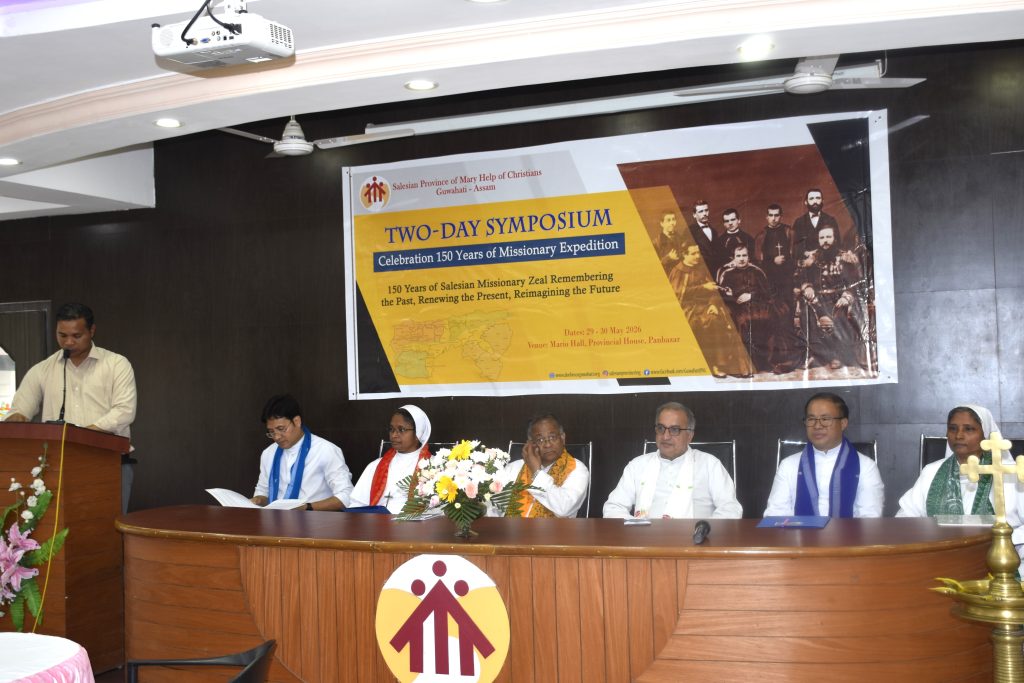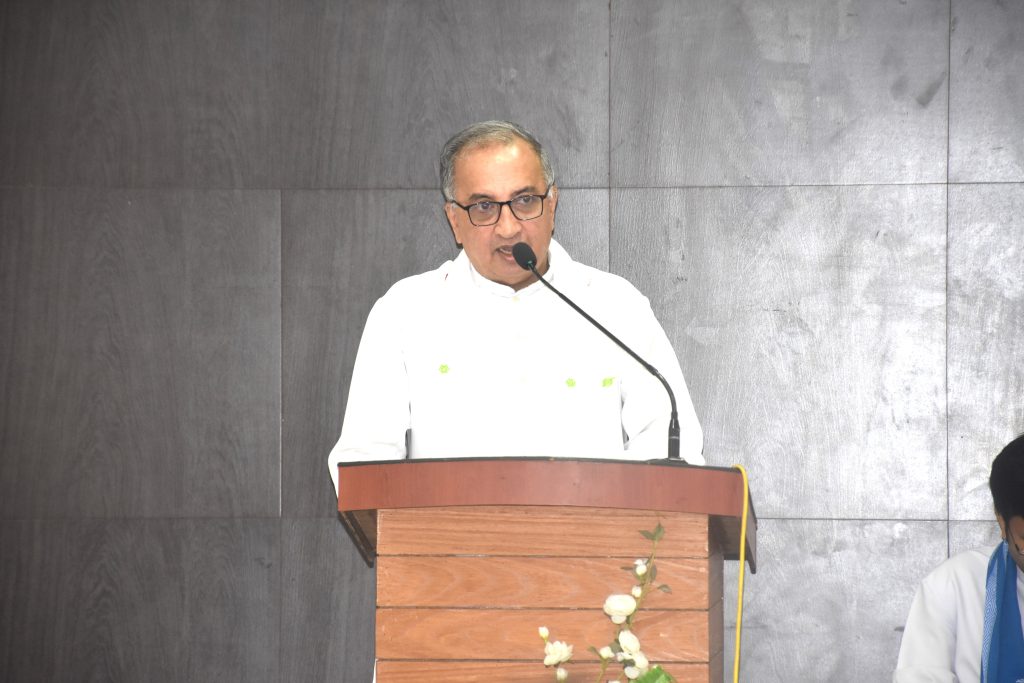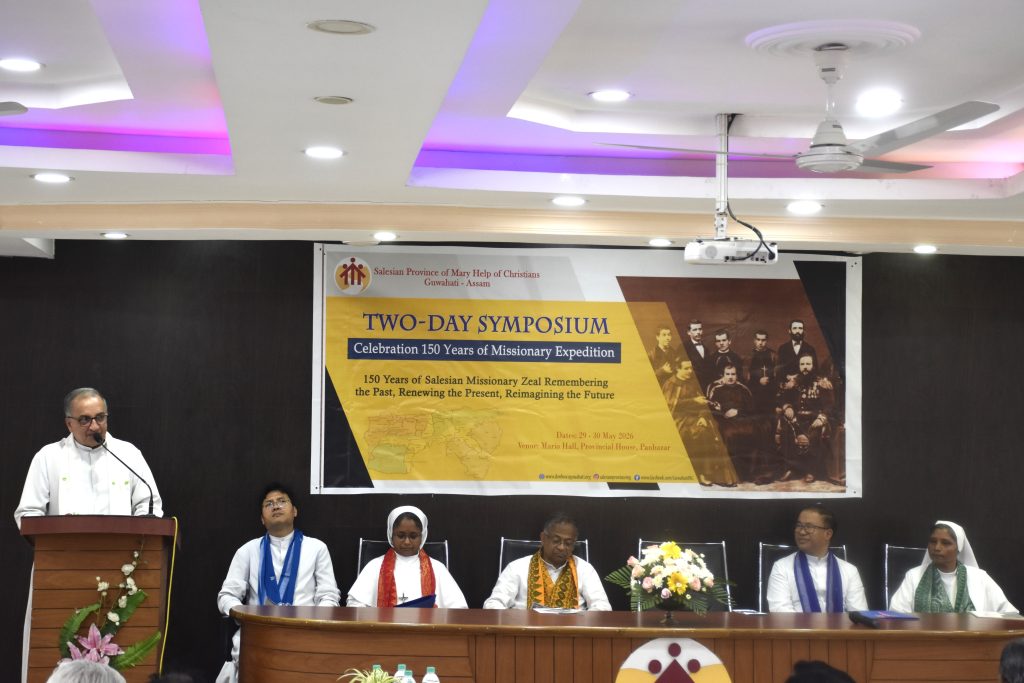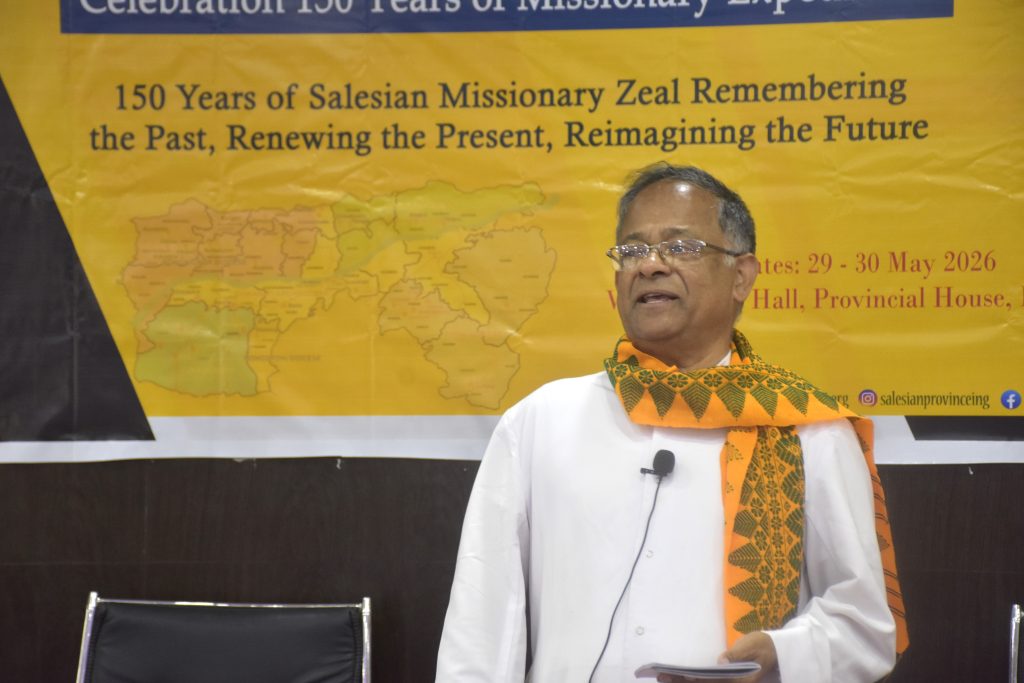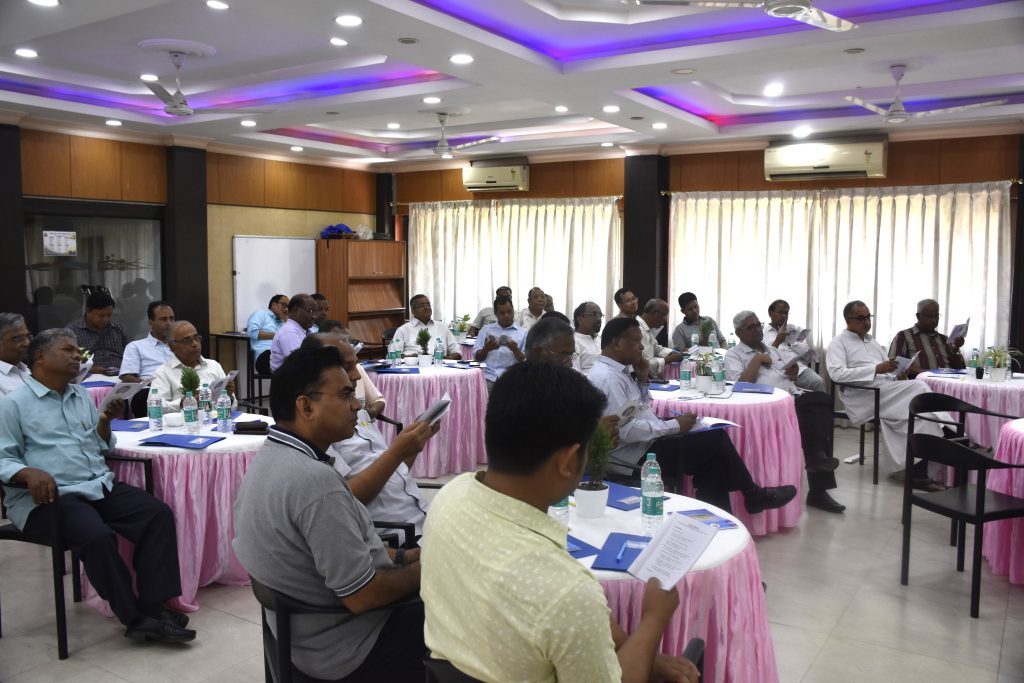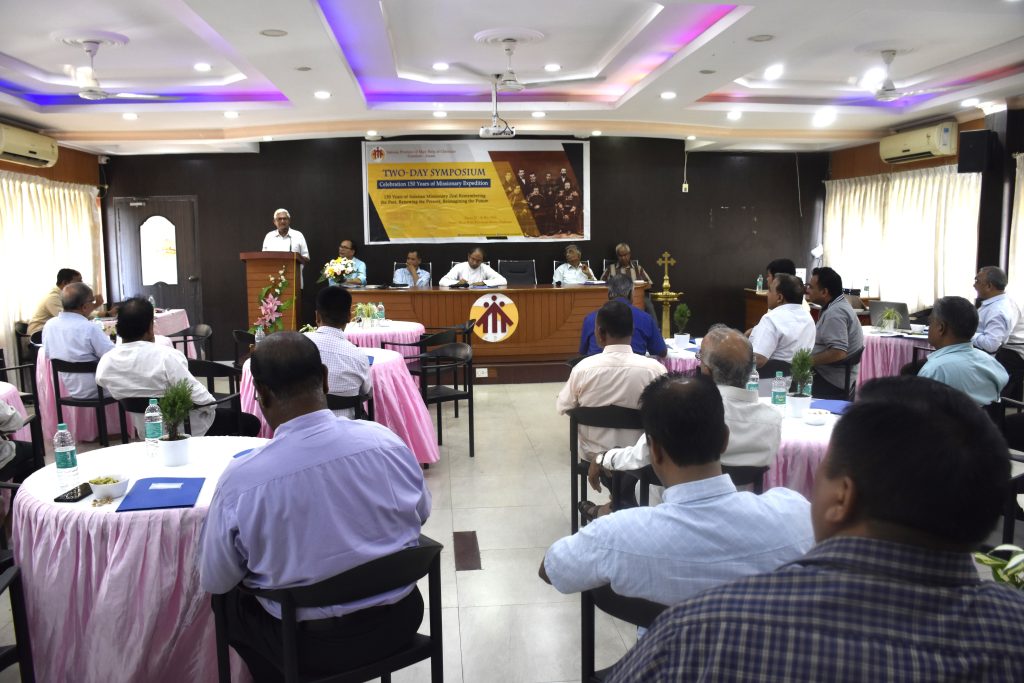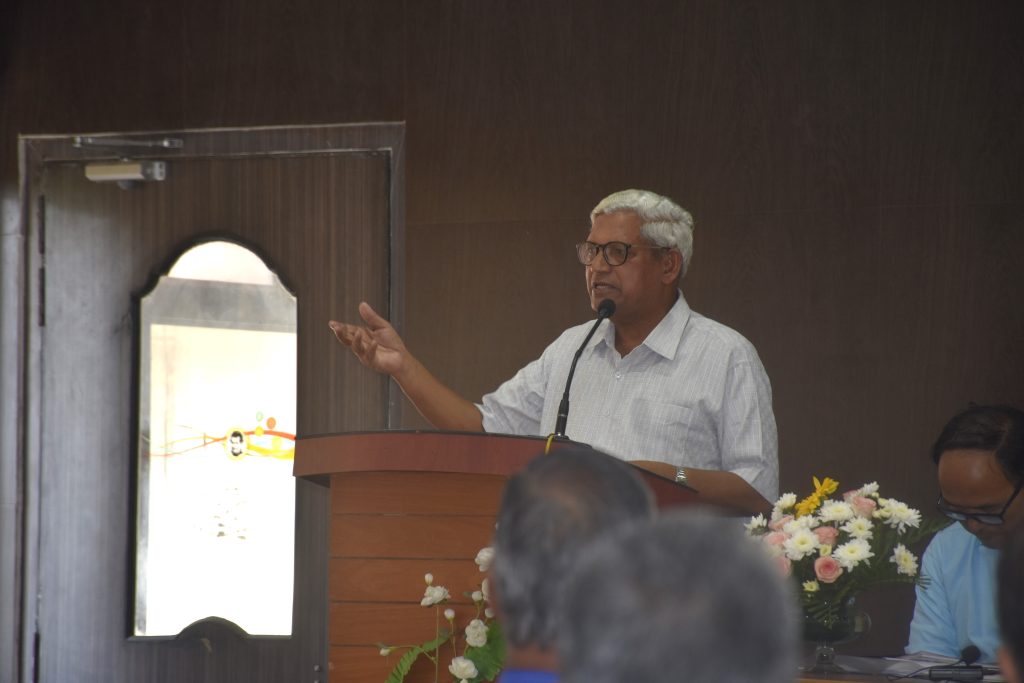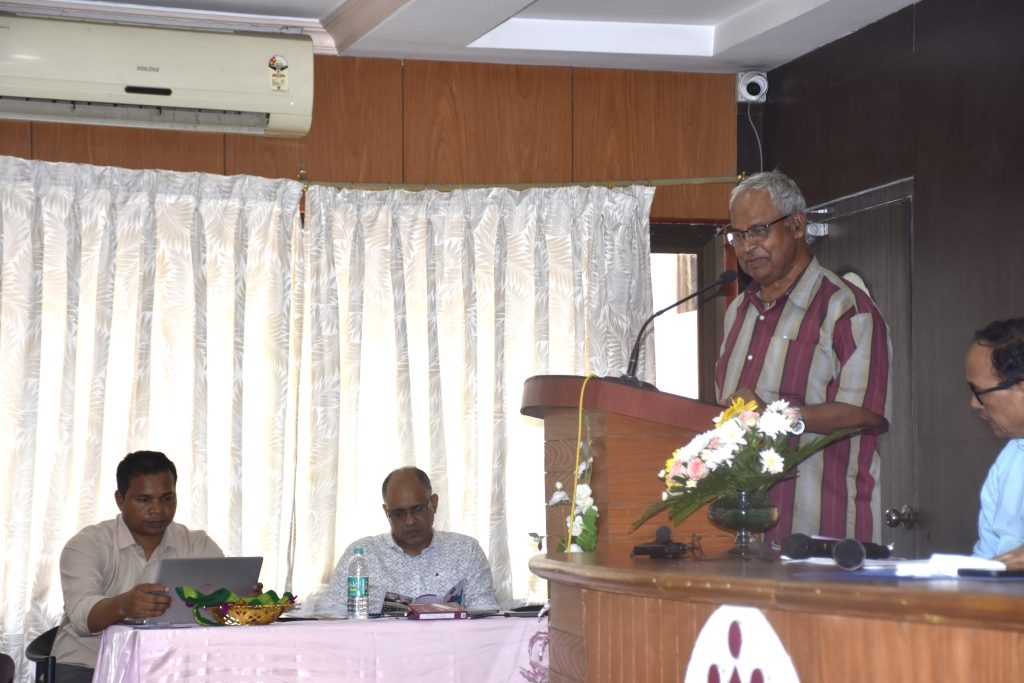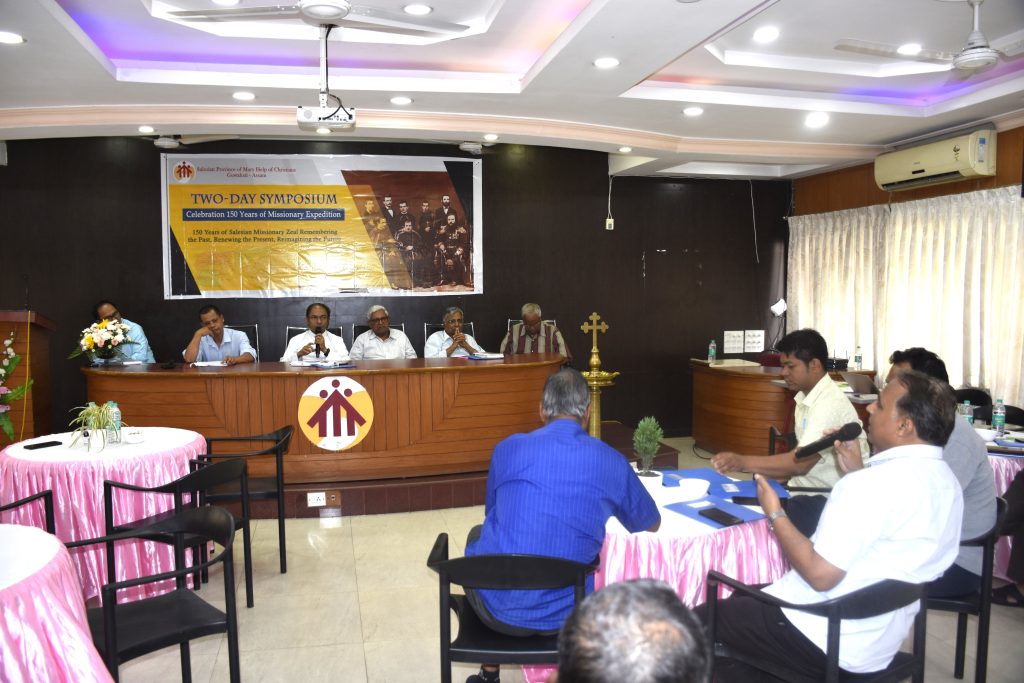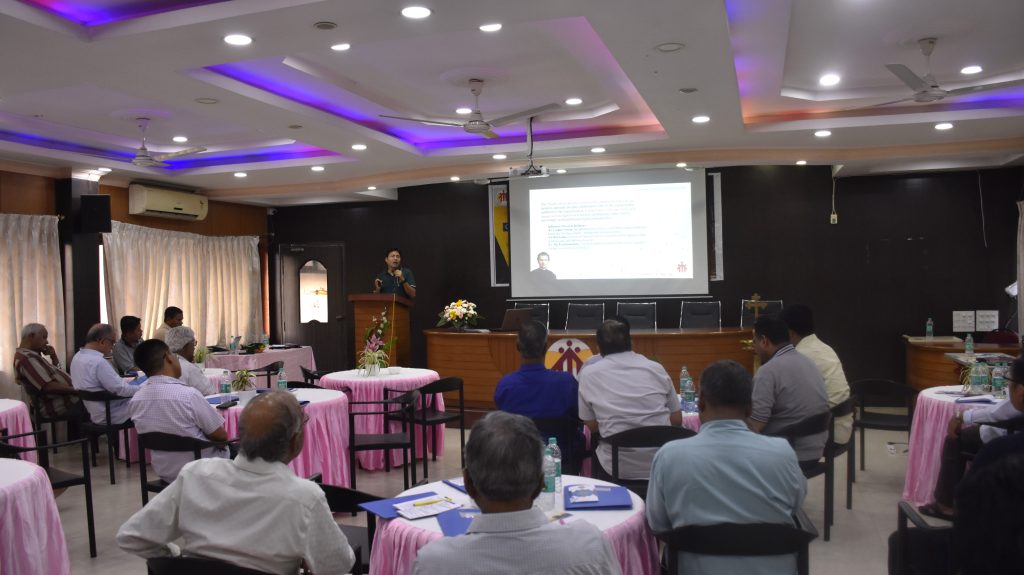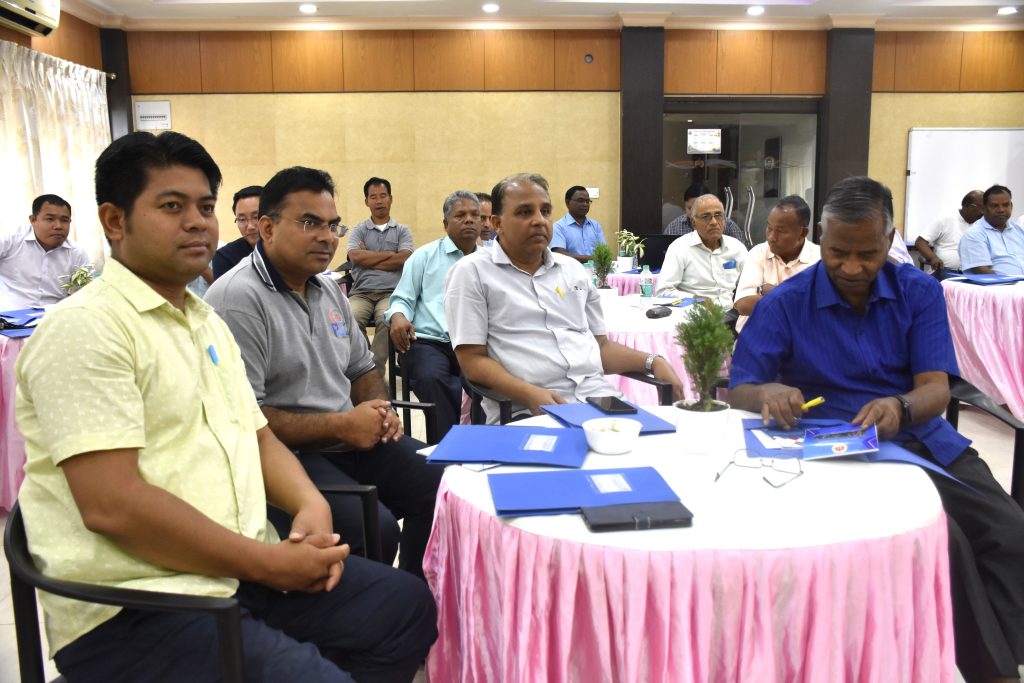
The first day of the two-day Salesian Missionary Symposium organized by the Province on 29 May 2026, became a profound moment of reflection, renewal, and missionary inspiration as participants commemorated 150 Years of the First Salesian Missionary Expedition (1875–2025) under the theme: “Remembering the Past, Renewing the Present, Reimagining the Future.” The symposium brought together Salesians, religious, and pastoral workers to revisit the heroic missionary heritage of the Salesian Congregation while discerning the future direction of evangelization in Northeast India. Through six technical presentations, sharing sessions by five veteran missionaries, and group discussions, the participants reflected deeply on the challenges and opportunities facing the Church today.
The inaugural ceremony began with a hymn to the Holy Spirit, prayer service, official welcome by Fr Bivan Rodrigues Mukhim, Vice Provincial of the Guwahati Province, and the lighting of the ceremonial lamp. Fr Joy Kachappilly introduced the dynamics and objectives of the symposium, while Sr Molly Kaniampadi conveyed a message on behalf of the FMA Provincial.
In his keynote address, Rev. Fr Sebastian Kuricheal SDB, Provincial presented the 150th anniversary celebration not merely as a remembrance of history but as a call to rediscover the Church’s missionary identity. Reflecting on Don Bosco’s missionary dream that spread to 133 countries, he highlighted the remarkable growth of the Church in Northeast India through sacrifice, simplicity, closeness to the people, and commitment to education, catechesis, healthcare, and indigenous vocations. At the same time, he cautioned against complacency, clericalism, weakening spirituality, and institutional comfort, posing a challenging question to the participants: “Are we still missionaries burning with the fire of Christ, or have we become caretakers of institutions?”
Fr Jose Varickasseril, speaking on parish ministry during the first session, emphasized that the parish must remain a living centre of evangelization rooted in prayer, pastoral closeness, reverence for the sacraments, meaningful preaching, and personal accompaniment. He called for a “parish on the move” that is prayerful, missionary, and people-centred.
Reflecting on the methods of the pioneer missionaries, Fr Joy Kachappilly highlighted how early missionaries lived among the people and earned trust through sacrifice, service, and presence. Education, youth ministry, hostels, catechists, medical outreach, and Small Christian Communities were presented as powerful instruments of evangelization that remain relevant even today.
One of the most enriching moments of the symposium was the sharing session by veteran missionaries who narrated their missionary experiences among the Bodos, Rabhas, Adivasis, Garos, Karbis, and Tiwas. Their testimonies revealed how authentic evangelization flourished through closeness to the people, respect for culture, patient accompaniment, and holistic human development. Travelling through forests, rivers, and remote villages by foot, bicycle, boat, and bullock cart, the missionaries built trust through personal contact, prayer, catechesis, and witness of life.
The missionaries also recalled how catechists, schools, hostels, youth camps, films, hymns, Christian literature, and visual media became effective means of proclaiming the Gospel in communities where literacy was limited. Alongside spiritual ministry, social upliftment through literacy programmes, healthcare, savings schemes, and care for the marginalized formed an integral part of their mission.
Fr Deli Kapani, Vice Provincial of Dimapur reflected on the significance of the first missionary expedition of 1875, presenting missionary activity as the very heart of the Salesian vocation. He stressed that the missionary spirit of Don Bosco continues today through inculturation, interreligious dialogue, ministry to migrants, and evangelization in secular societies.
Fr Nazarius Lakra highlighted the urgent need for deep catechesis and faith formation, warning that evangelization without proper catechesis can lead to superficial Christianity. He stressed the importance of local languages, trained catechists, contextual catechetical materials, and parish-based Sunday catechesis in the culturally diverse context of Northeast India.
The final presentation by Fr Bivan Rodrigues Mukhim explored evangelization in the digital age, identifying digital media as one of the new missionary frontiers of the Church. Recognizing that young people increasingly inhabit digital spaces, he encouraged the Church to engage creatively and responsibly through social media, livestreaming, AI, online communities, and local-language digital catechesis. He particularly emphasized the immense opportunities available in Northeast India, where even remote villages are now connected through smartphones and social media platforms.
The day concluded with a unified and thought-provoking message: the future of the Church depends not merely on institutions or structures, but on renewed missionary discipleship rooted in Christ. The symposium repeatedly returned to the values that shaped the early missionaries simplicity, holiness, sacrifice, closeness to the poor, love for young people, catechesis, and courage to enter new missionary frontiers.
News Courtesy: Fr Romanius Barwa SDB