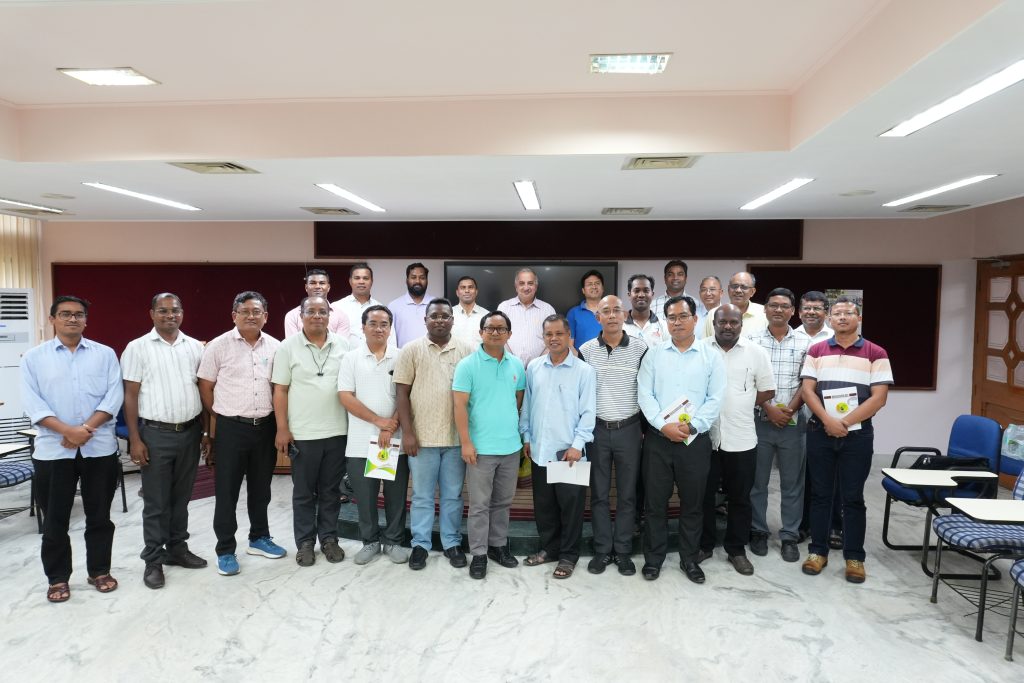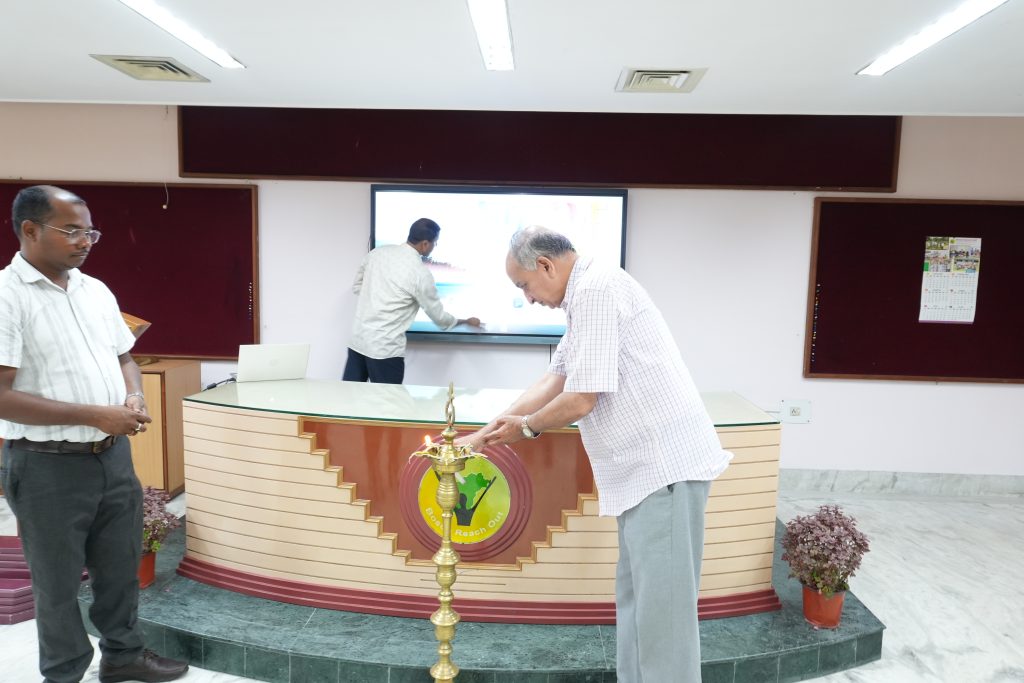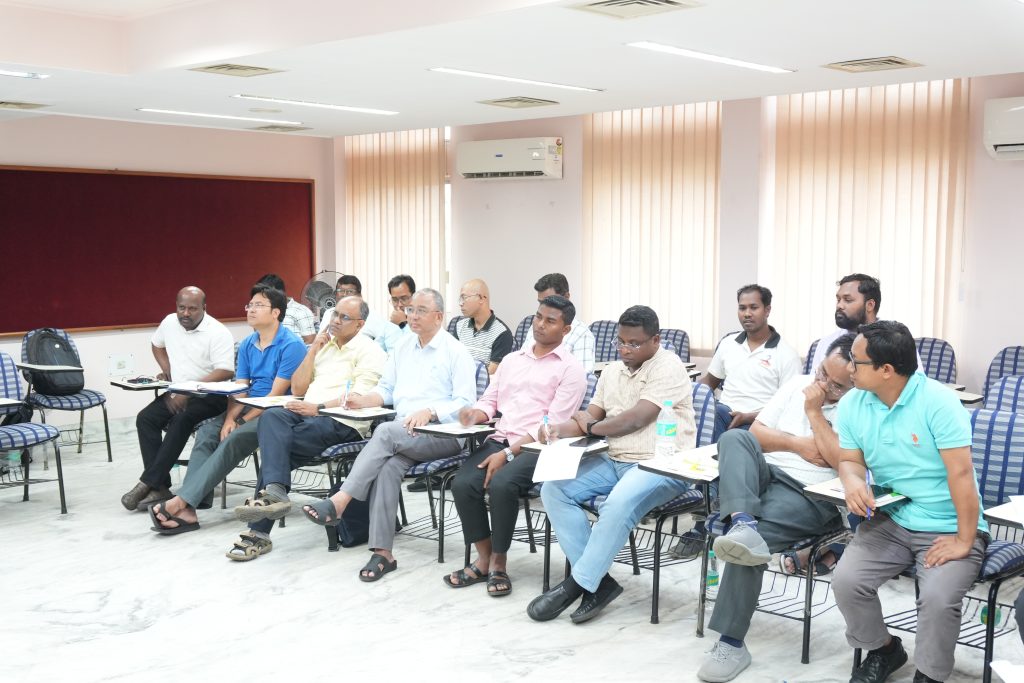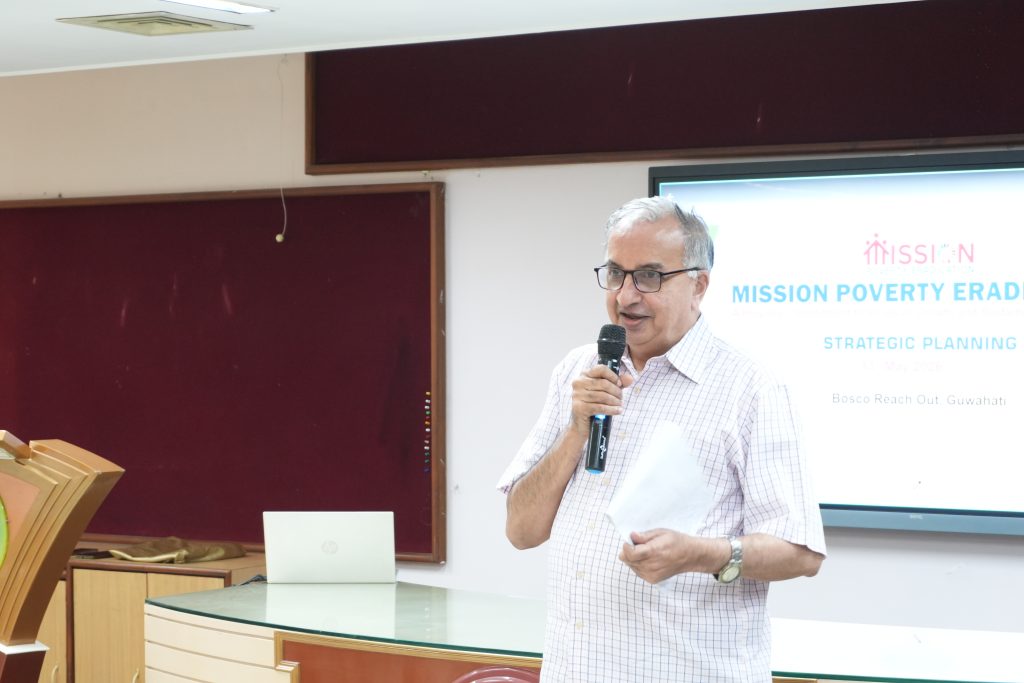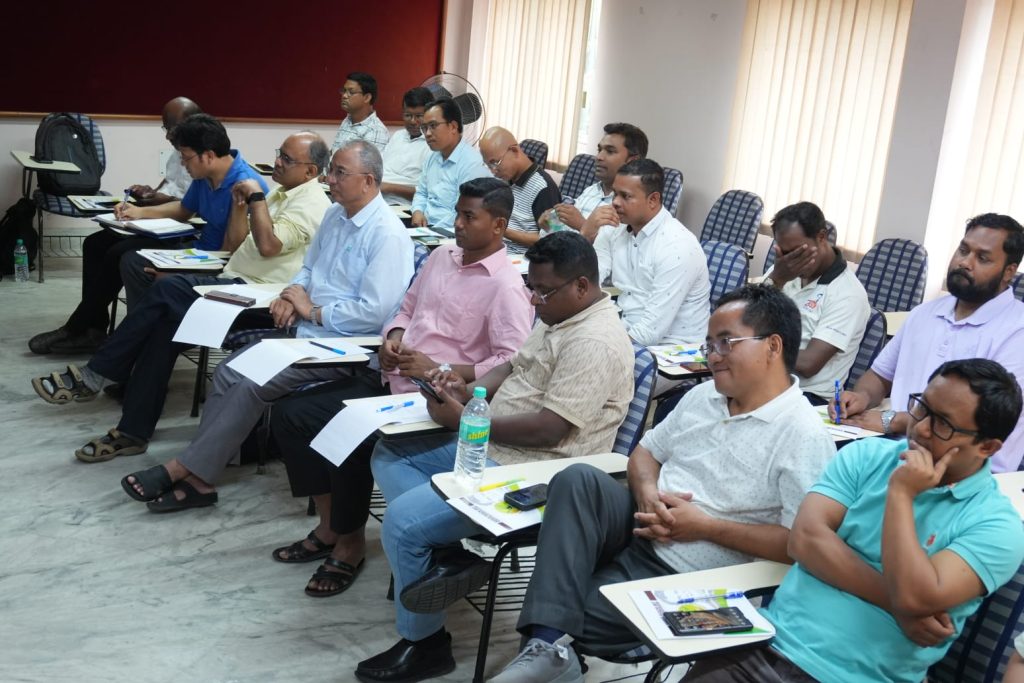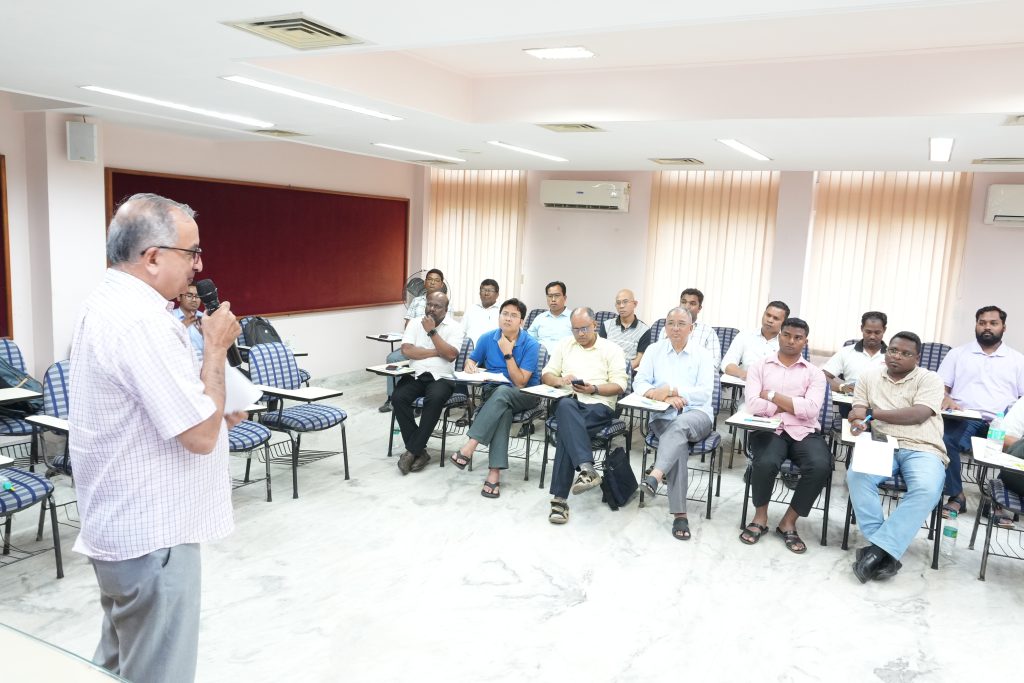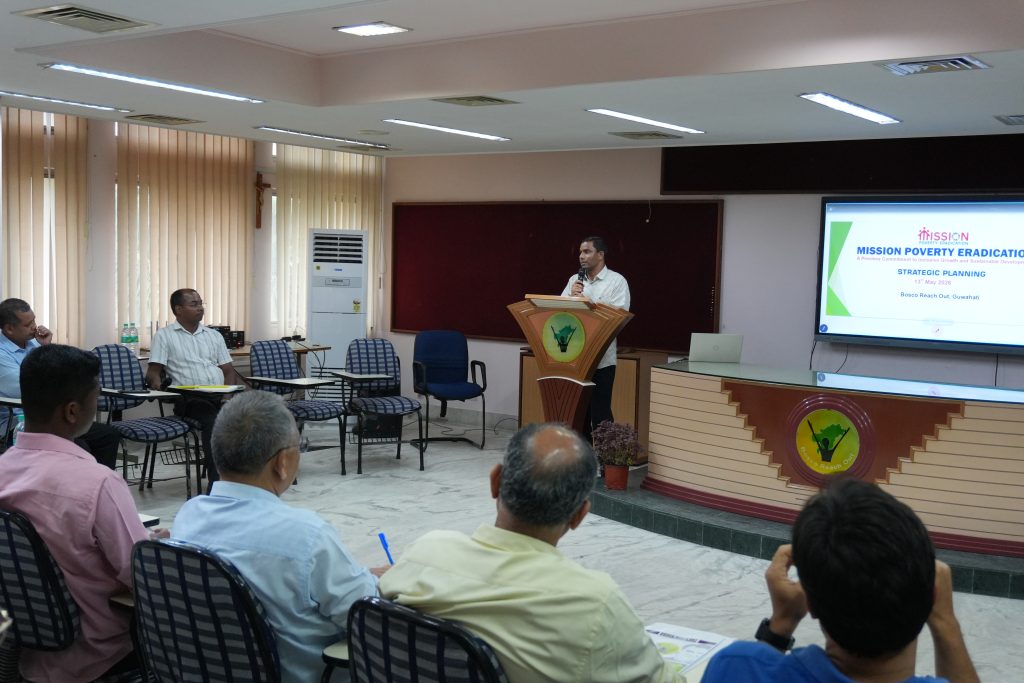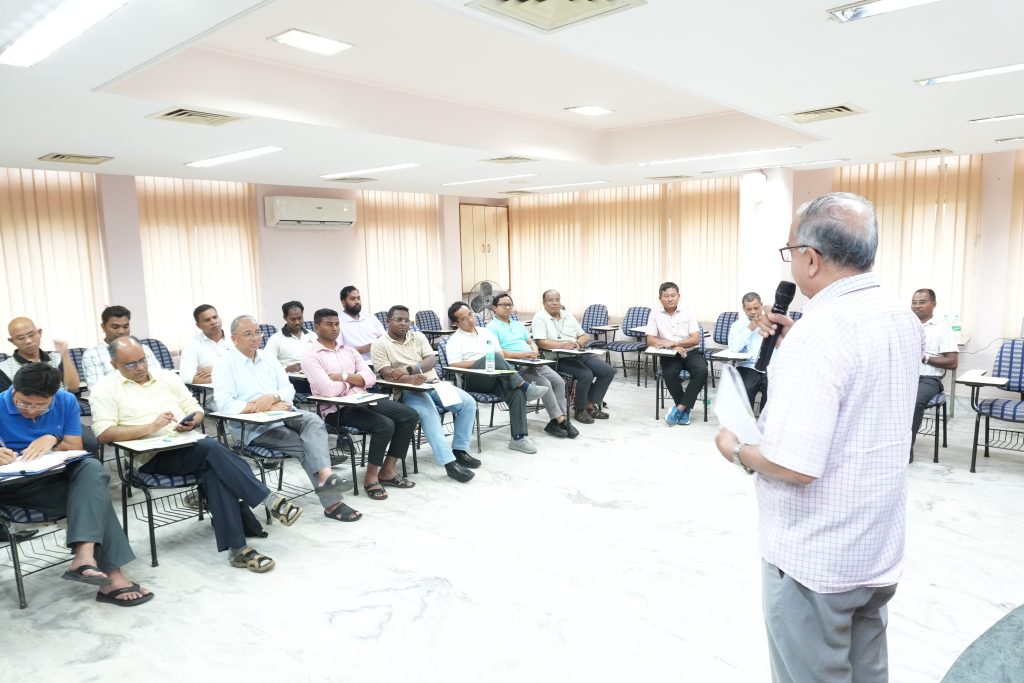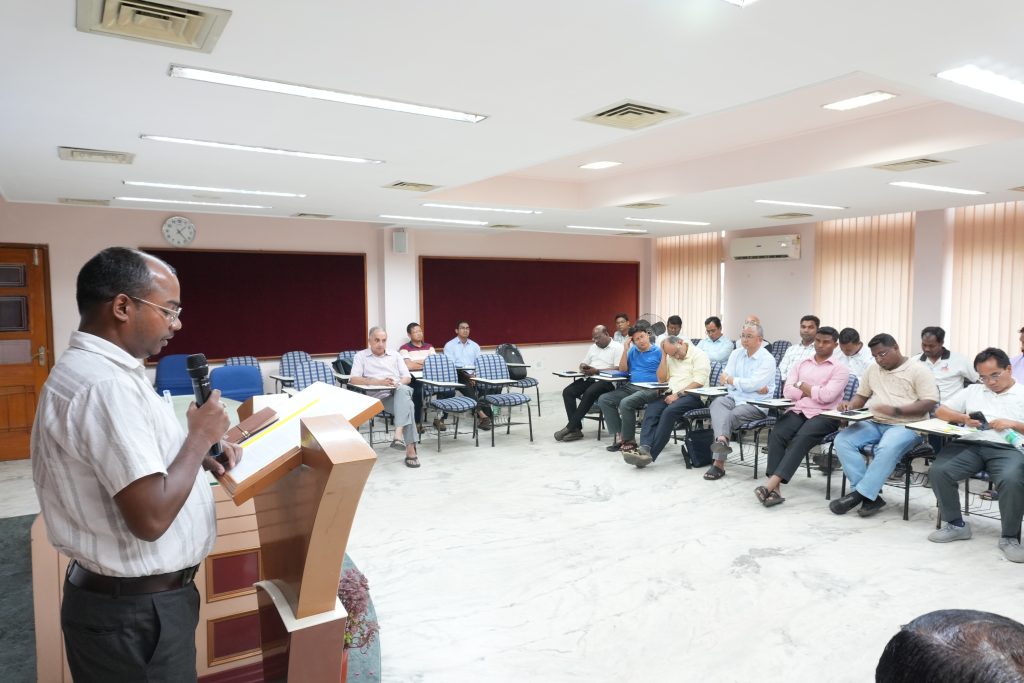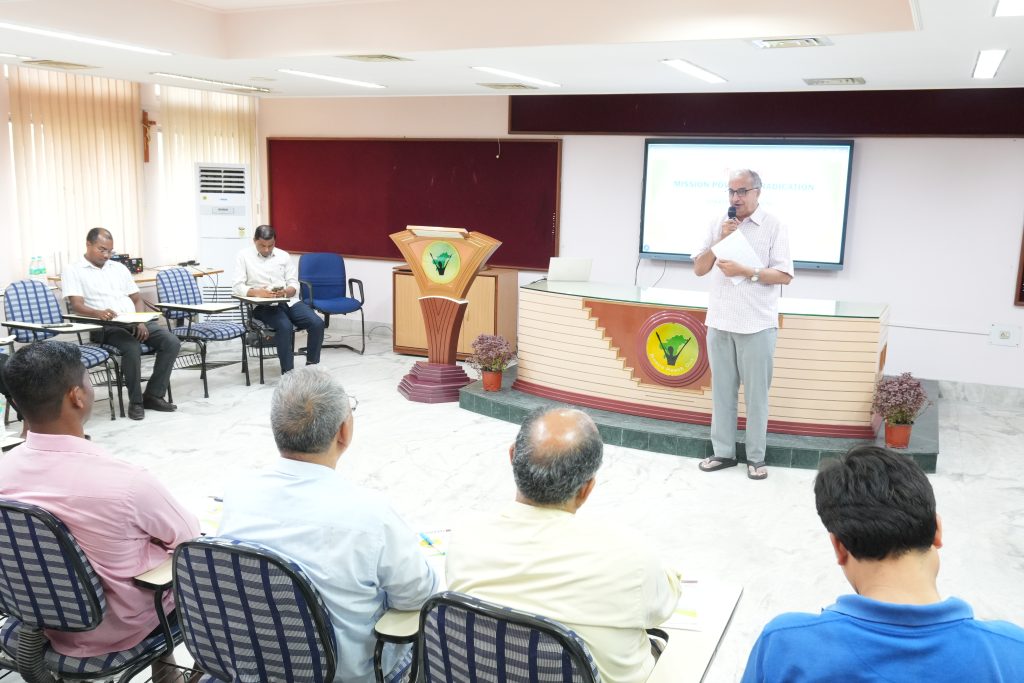
The Province Team Members gathered at Bosco Reach Out, Ulubari, Guwahati, on 13 May 2026 to review and strengthen the ongoing Mission Poverty Eradication (MPE) initiative of the Salesian Province of Mary Help of Christians, Guwahati. The meeting was chaired by Fr. Ignatius Gari, Executive Director of Bosco Reach Out and Province Project Director of MPE, and brought together members engaged in empowering poor and marginalized communities through coordinated developmental efforts.
The meeting focused on assessing the progress made under the Mission Poverty Eradication initiative, identifying challenges faced in various mission centres, and planning future strategies for a more sustainable and impactful outreach. Participants reflected on ways to strengthen collaboration among Salesian institutions and ensure that the mission remains deeply rooted in the Salesian charism of service to the young and the poor.
A significant highlight of the gathering was the presence of Rev. Fr. Sebastian Kuricheal SDB, Provincial, who addressed the participants on the importance of creating meaningful and lasting transformation in society. He urged the Salesian communities and institutions to move beyond merely “doing projects” and instead focus on ensuring measurable impact in the lives of the poor and marginalized.
Speaking in connection with the Mission Poverty Eradication initiative and the community audit process of the South Asia region, Fr. Sebastian remarked that although poverty may never be completely eradicated, it can certainly be alleviated through sincere, focused, and sustainable interventions. Reflecting on the Salesian mission in the Northeast, he expressed concern that despite the growth of institutions and infrastructures, many poor people living around these centres still remain untouched by meaningful transformation. Drawing inspiration from the biblical story of the rich man and Lazarus, he reminded the confreres not to ignore the needy standing at their doorstep.
The Provincial emphasized that concern for the poor must form part of the “DNA” of every Salesian community. He observed that while many institutions provide assistance, scholarships, and concessions to deserving students and families, there is often inadequate documentation and follow-up regarding the beneficiaries and the long-term impact of the support offered. He stressed that every intervention should ultimately help individuals and families become self-reliant and improve their quality of life.
Fr. Sebastian Kuricheal also highlighted the importance of systematic documentation and evaluation of outreach programmes. According to him, proper records and impact assessments would help future generations understand the effectiveness of the services rendered and inspire others through successful models of transformation. He pointed out that many NGOs and congregations maintain detailed records of their beneficiaries, while Salesian institutions often fail to do so consistently.
Referring to the changing realities in India, the Provincial cautioned against excessive dependence on foreign funding and external projects. He reminded the participants that several provinces are already facing challenges due to restrictions related to FCRA and diminishing external support. Therefore, he encouraged communities to adopt a more conscious, responsible, and sustainable approach to social service, rooted in commitment rather than dependence on outside assistance.
Appreciating the efforts of the participants, Fr. Sebastian encouraged every institution and parish to actively participate in the Mission Poverty Eradication initiative. He underlined that the purpose of the community audit was not merely administrative documentation but a process of reflection that would help communities evaluate how effectively they are serving the poor and needy.
The participants also shared field experiences, success stories, emerging needs, and opportunities for collaborative action. The discussions aimed at evolving practical strategies that would strengthen the mission in the days ahead and bring renewed hope to vulnerable communities across the region.