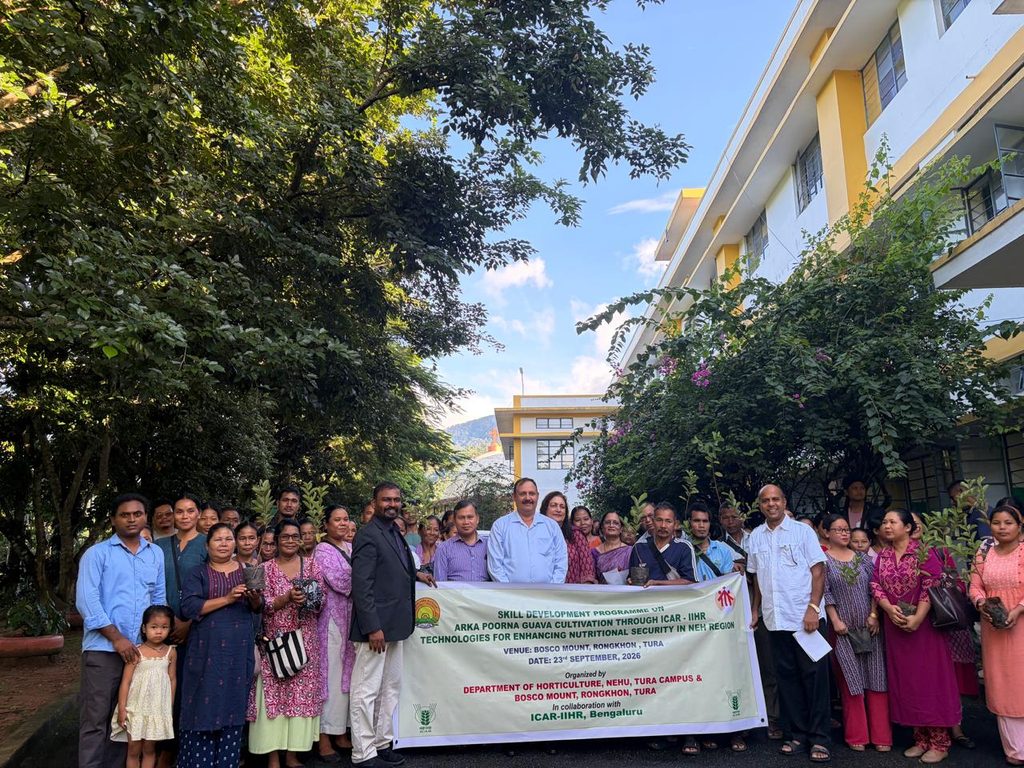
On 23 September 2026, more than 500 families in Tura received Arka Poorna guava saplings as part of a collaborative initiative by North-Eastern Hill University (NEHU), Tura Campus, Holy Cross Church and Bosco Mount, Rongkhon Parish, and the ICAR-Indian Institute of Horticultural Research (ICAR-IIHR), Bengaluru, aimed at promoting kitchen gardening, household nutrition and sustainable agriculture in the North Eastern Hill region.
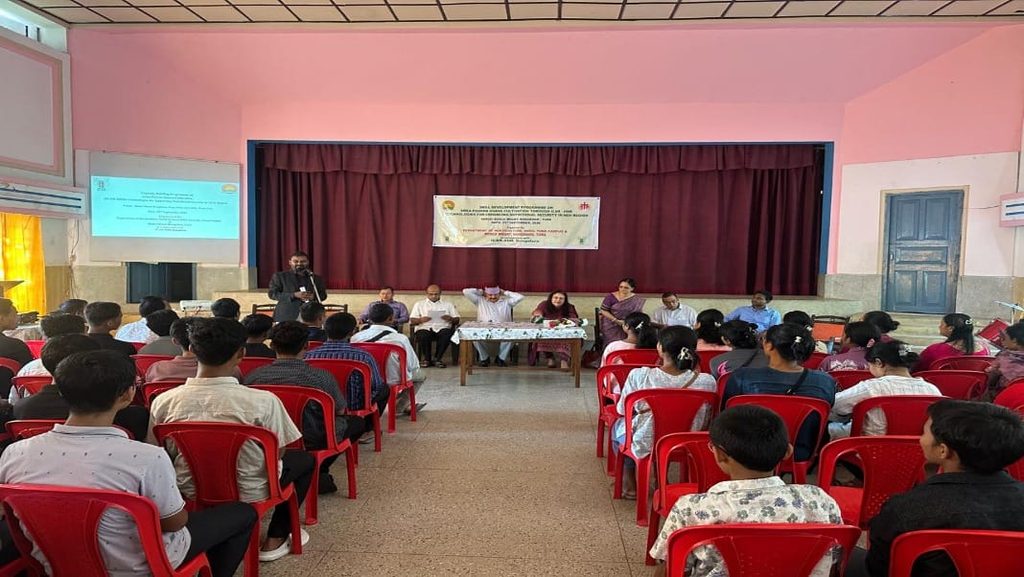
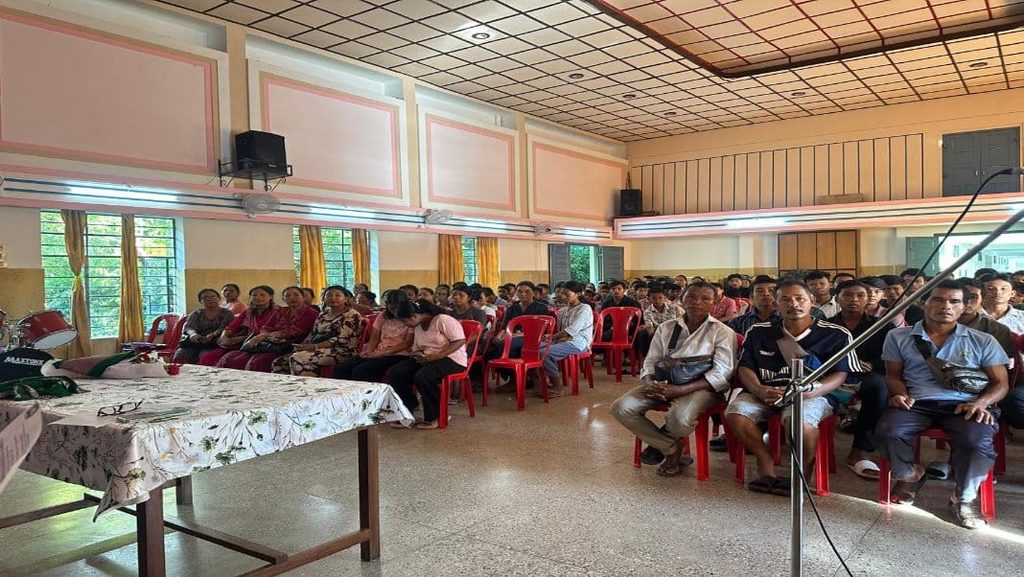
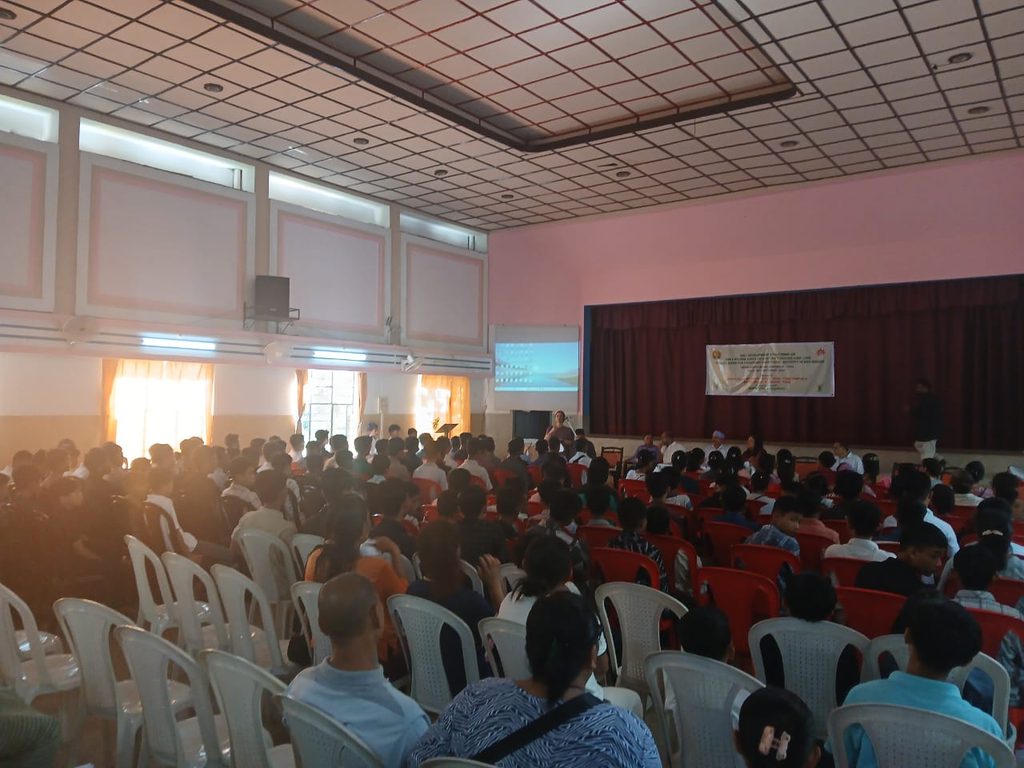
The saplings were distributed during a skill development programme on “Arka Poorna Guava Cultivation through ICAR-IIHR Technologies for Enhancing Nutritional Security in NEH Region,” held at Holy Cross Church, Bosco Mount, Rongkhon Parish. Each beneficiary family received two saplings, with the organisers encouraging households to cultivate guava in their home gardens and, in due course, explore opportunities for commercial production.
Arka Poorna is an improved guava hybrid developed by ICAR-IIHR from the cross of Purple Local and Allahabad Safeda. The variety is known for its attractive pink pulp, good flavour and high vitamin C content. ICAR-IIHR reports vitamin C levels of approximately 190–198 mg per 100 grams, making the variety particularly relevant to efforts to strengthen household nutritional security while also offering potential for income generation through commercial cultivation.
Prof. C. P. Suresh, Department of Horticulture, NEHU, and Coordinator of the Capacity Building Programme for the North Eastern Hill Region, provided technical information on Arka Poorna and its cultivation practices. He highlighted the importance of fruit cultivation in improving household nutrition and explained that the distribution of saplings was intended to encourage families to take up kitchen gardening, increase access to nutritious food and contribute to addressing malnutrition.
He emphasised that the initiative was not merely about distributing planting material but about encouraging families to grow nutritious food themselves and make home-grown produce a regular part of their diets.
The programme was chaired by Dr George Plathottam, Director of the Skill Development Centre, Mendal. In his address, he stressed the importance of practical agricultural and kitchen-gardening skills in promoting household well-being, self-reliance, economic opportunities and sustainable community development.
Dr Jyothi V. Vastrad, Guest of Honour, highlighted the role of NEHU’s academic departments, particularly the Department of Horticulture, in bringing agricultural knowledge, scientific expertise and improved technologies to local communities. He appreciated the collaboration between the university, ICAR-IIHR and local organisations, noting that such partnerships could effectively connect scientific expertise and improved planting material with the needs of communities. He also expressed appreciation to ICAR-IIHR for providing the planting material and technical support.
The Chief Guest, Lalit Mohan Sharma, DIG, Sector Headquarters BSF, Tura, encouraged the beneficiaries to make productive use of the guava plants, multiply the planting material and gradually explore commercial cultivation. He underlined the importance of turning agricultural initiatives into sustainable livelihood opportunities.
The initiative was also strengthened by the active involvement of Holy Cross Church and Bosco Mount, Rongkhon Parish. Rev. Fr Justin Arul Chinnaparaj, A.P.P., coordinated the participation of parishioners and encouraged them to make use of the opportunity and benefit from the programme.
Fr Benjamin Daimari, Rector of Bosco Mount welcomed the guests, resource persons and participants. Rev. Fr Joseph Almeida, delivered the vote of thanks. He acknowledged the contributions of NEHU Vice-Chancellor Prof. S. K. Barik; ICAR-IIHR Director Dr Tushar Kanthi Behara; Dr T. Sakthivel, Nodal Officer for the Capacity Building Programme for the North Eastern Hill Region; Prof. J. U. Ahmed, NEHU Tura Campus-in-Charge; and Prof. C. P. Suresh, along with the organisers, resource persons and beneficiaries.
The programme brought together academic institutions, a national horticultural research institute and a local faith community in a common effort to promote nutritional security, practical agricultural skills and sustainable livelihoods. The distribution of Arka Poorna guava saplings is expected to encourage more families to take up fruit cultivation and kitchen gardening, while potentially creating a pathway from household-level nutrition to small-scale commercial guava production.
News Courtesy: Fr Justin Arul Chinnaparaj SDB