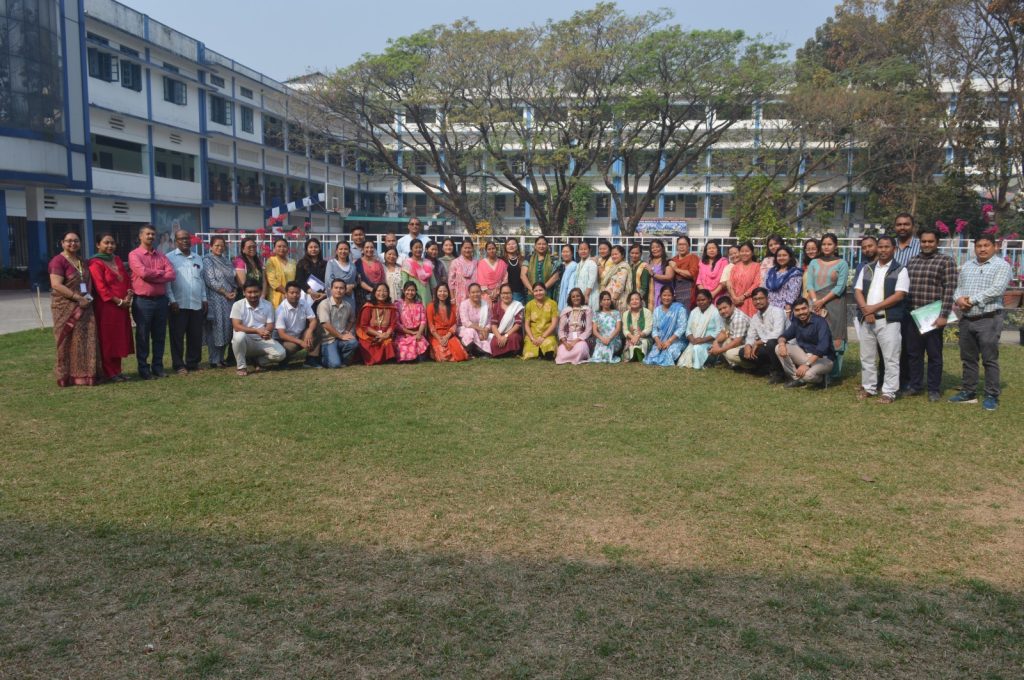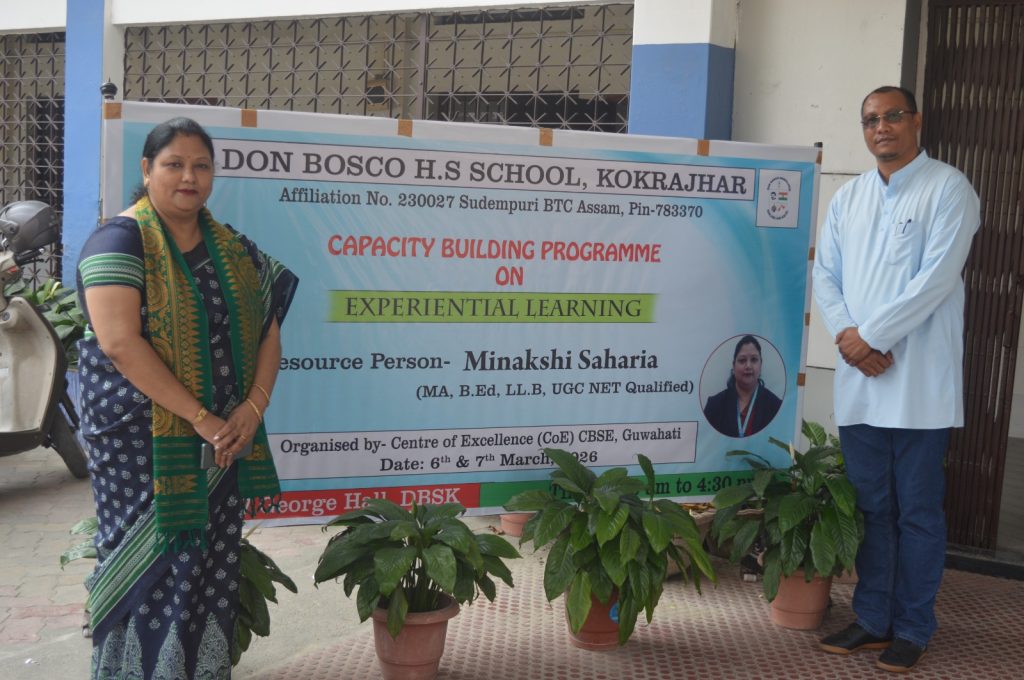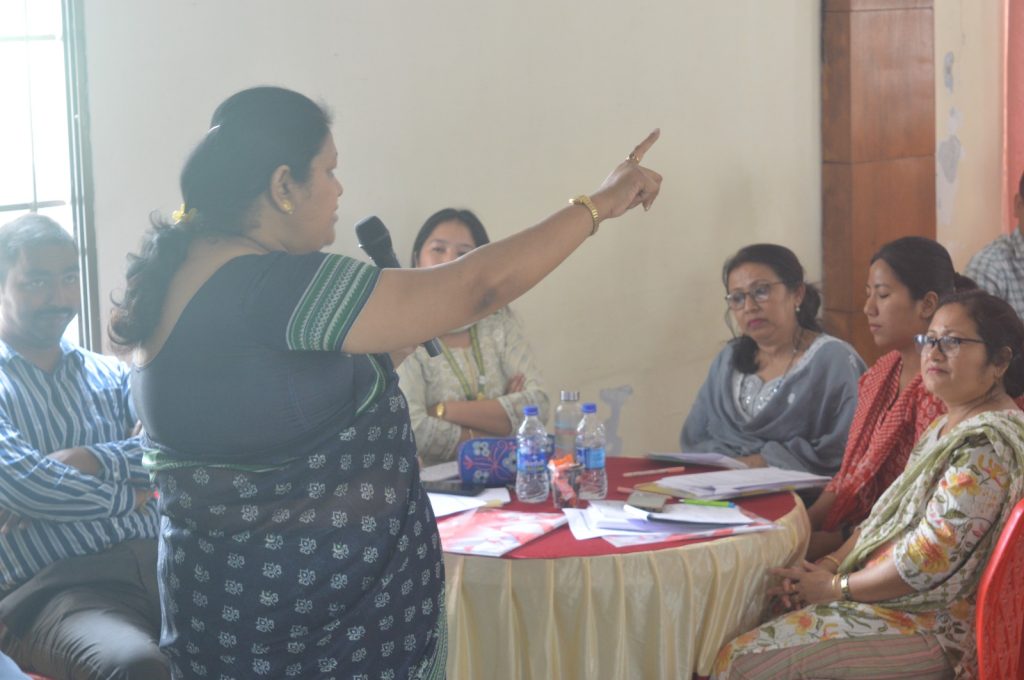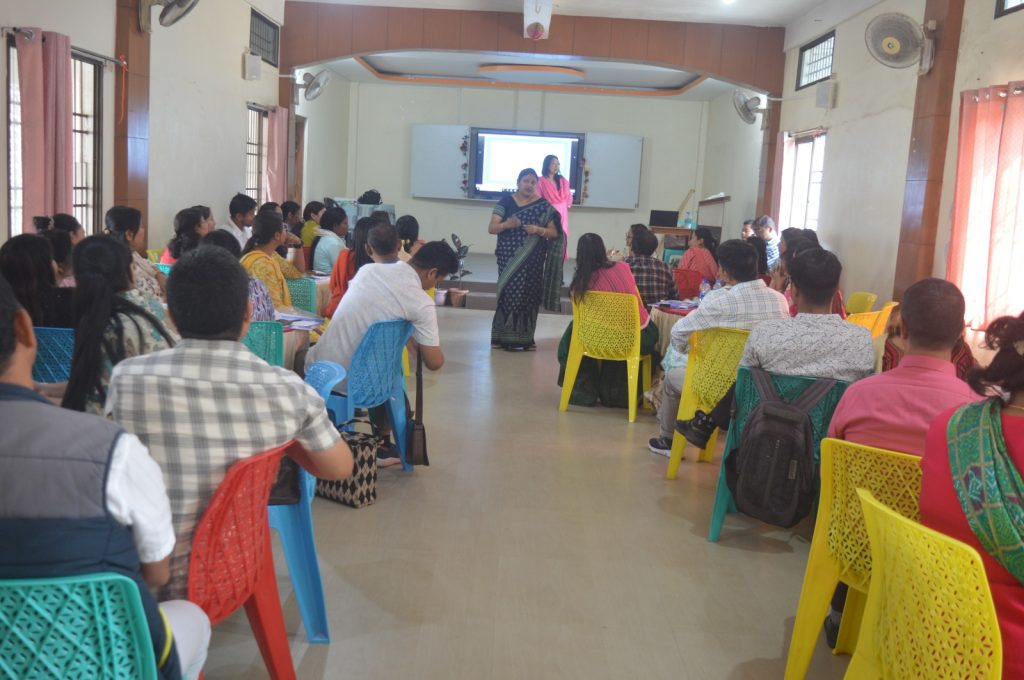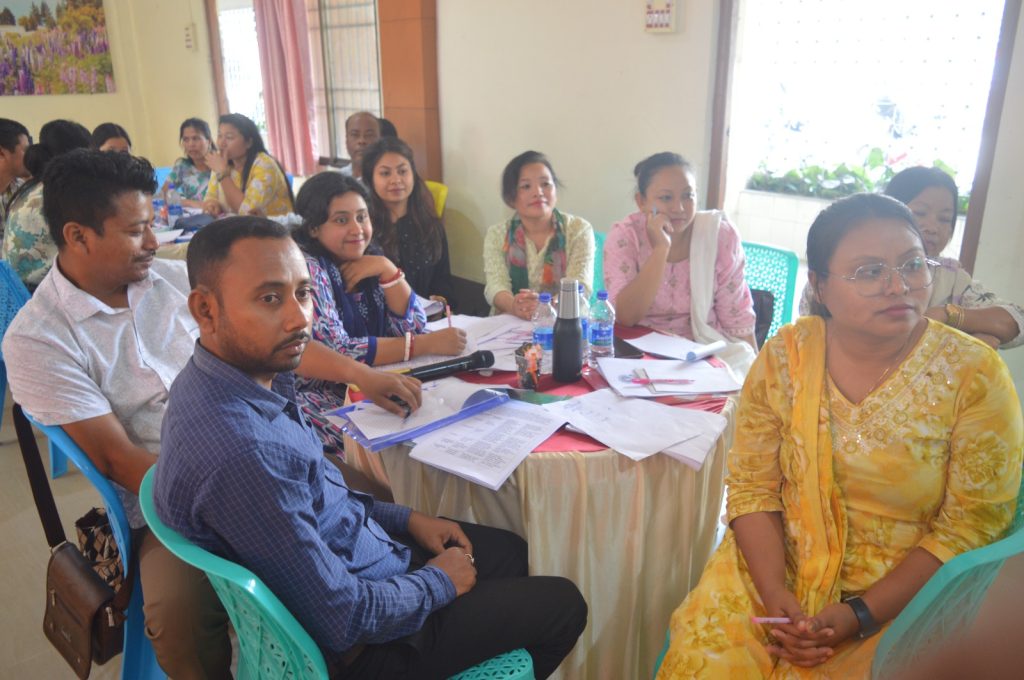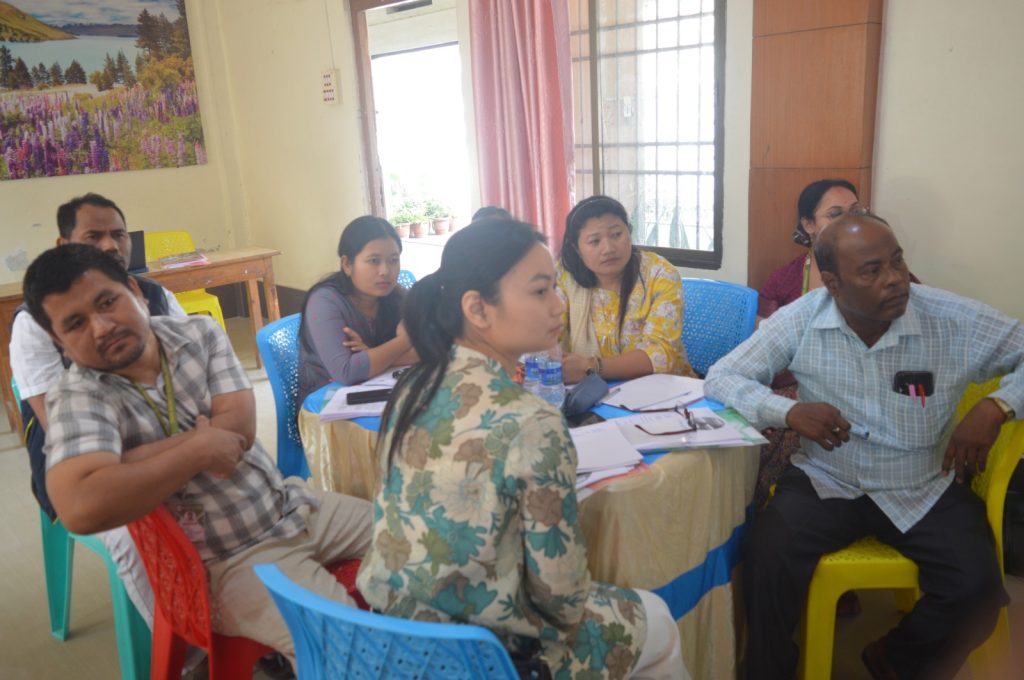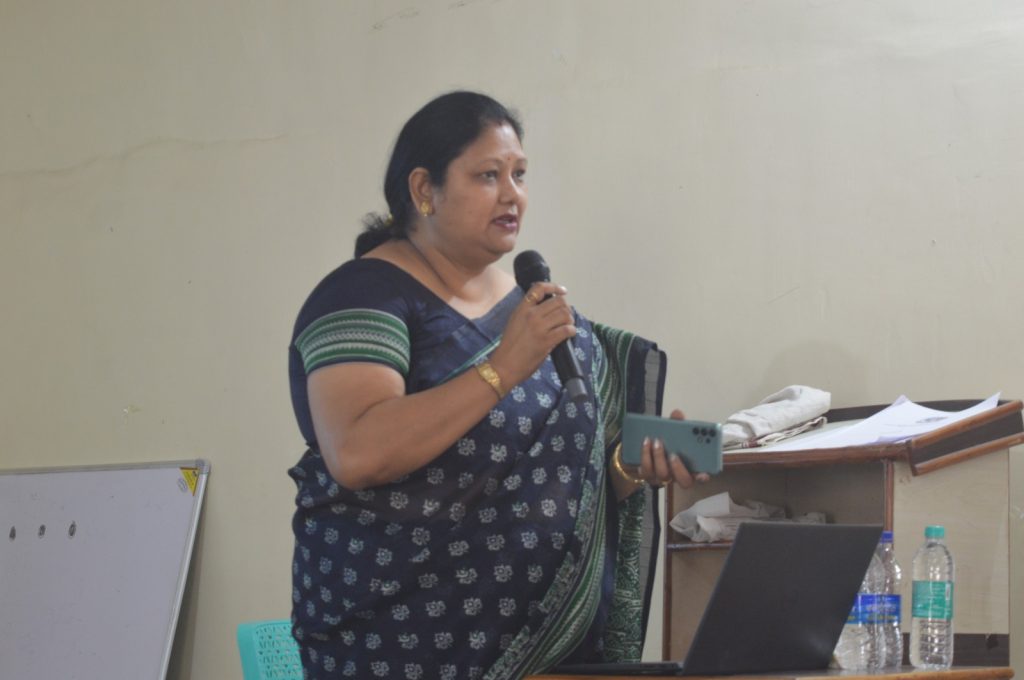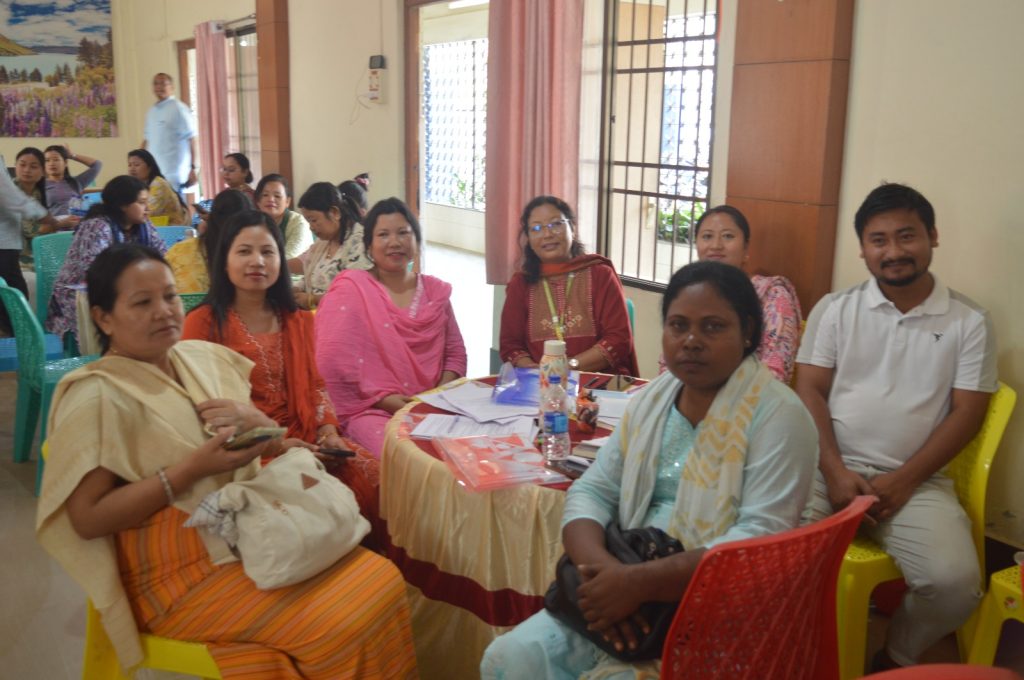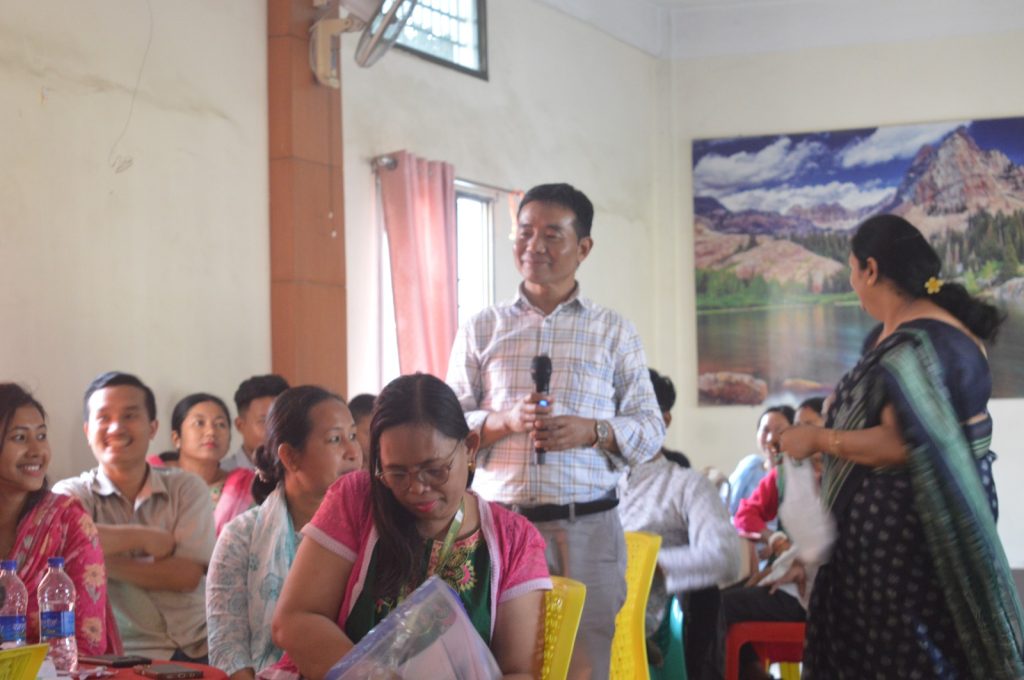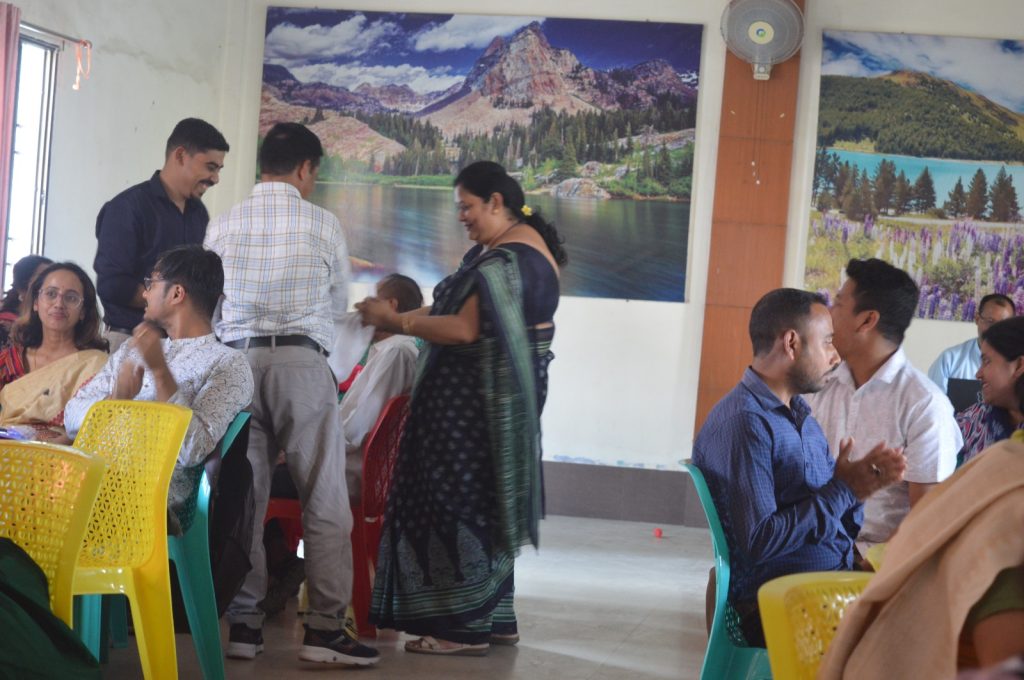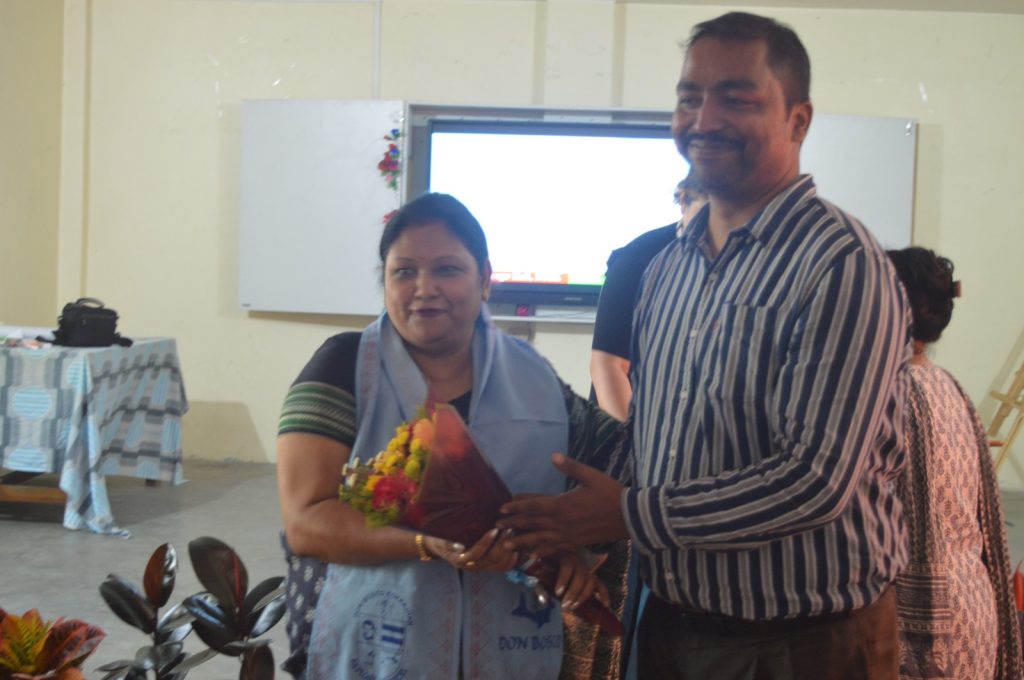
On 6 and 7 March 2026, Don Bosco Higher Secondary School, Kokrajhar, conducted a Capacity Building Programme on Experiential Learning for Teachers, organized by the Centre of Excellence (COE), Guwahati. The resource person, Mrs. Minakshi Saharia, kept the teachers fully engaged by infusing the training with intensive activities, enthusiastic participation, and an amiable learning atmosphere where learning truly happened through doing. The programme commenced with the welcoming of the resource person with the traditional Bodo aronai, followed by words of welcome from the school Principal, Fr. Emmanuel Marngar, and a welcome dance performed by the students.
The first day of the training had teachers engrossed in group-based projects and activities aligned with Kolb’s Experiential Learning Theory. Kolb explained that learning happens in a four-stage cycle:
- Concrete Experience
- Reflective Observation
- Abstract Conceptualization
- Active Experimentation
John Dewey, a strong proponent of experiential learning, famously said, “We do not learn from experience; we learn from reflecting on experience.” During the training session, Mrs. Saharia opened new avenues and challenged the participants to explore and reflect on the varied experiences they had encountered in their lives, emphasizing that every experience is a lesson learned.
Bloom’s Taxonomy was also discussed in detail, particularly how it can be effectively applied in experiential learning to guide students from basic knowledge recall to higher-order critical thinking. It organizes learning into six levels: Remember, Understand, Apply, Analyze, Evaluate, and Create.
The LAAR strategy was introduced as a hands-on learning approach in the classroom to help students think, discuss, and understand lessons more effectively.
LAAR—Learning Outcomes, Activity, Assessment, and Reflection—enhances classroom engagement by aligning clear, co-created goals with varied activities, continuous assessment, and critical reflection.
The second day of the training began with renewed zest and motivation as the resource person continued to display dynamic leadership and an amicable disposition. The learning-by-doing approach continued through trial-and-error methods, where the trainees actively engaged in story writing, creative exercises, imagination-based activities, and multidisciplinary projects.
Key Takeaways from the Experiential Learning Curriculum
- Learning takes place through experience, activities, and practical work rather than mere memorization of facts.
- The traditional teacher-centric method gives way to student-centric learning where teachers act as facilitators.
- Students develop critical thinking, creativity, and problem-solving skills.
- Collaborative learning through group work and discussions is encouraged.
The role of the teacher is gradually shifting from being the primary transmitter of knowledge to becoming a facilitator, mentor, and designer of meaningful learning experiences.
The extensive training programme on experiential learning concluded with positive feedback from the teachers and words of gratitude from the Vice Principal, Bro Paul Makri. The resource person, Mrs. Minakshi Saharia, skillfully conducted the two-day training session with great dedication and fervour, which proved truly inspiring for all the participants. The sessions encouraged teachers to embrace the new methodology where learning objectives and learning outcomes work hand in hand.
The words of futurist Alvin Toffler aptly summarize the essence of the programme:
“The illiterate of the 21st century will not be those who cannot read and write, but those who cannot learn, unlearn, and relearn.”
News Courtesy: Winyan Bisai (Teacher)