
Christianity in the new diocese can be traced back to the Augustinian Fathers from Dhaka. Rangamati Dhubri district had a very vibrant Christian community in the 16th century. In the last century the Salvatorian priests and later the Salesians while traveling through the Brahmaputra had stayed at Dhubri.
However, the first to take up residence at Dhubri were the Salesian Fathers Archimede Piannazzi and L. Rocca, who were appointed to work among Garos. In 1932 they took up residence at Dhubri and used it as a base for their apostolate in the Garo Hills as Catholics were denied permission to work in that area. In 1936 Barpeta Road Mission was established. The whole area of the present diocese and more was covered by this parish. The present progress can be attributed to Bishops Orestes Marengo, Joseph Mittathany, Robert Kerketta and to Fr Remo Morra, sdb. Under the leadership of Archbishop Thomas Menamparampil, the area had a further growth which led to the creation of the Bongaigaon diocese. Fr Joseph Zubizzaretta, sdb’s name will be always remembered among the most outstanding missionaries of the area.
The Diocese of Bongaigaon is carved out of the Archdiocese of Guwahati consisting of Bongaigaon, Baksa,Barpeta, Chirang, Dhubri Kokrajhar and Nalbari Districts of lower Assam that covers the surface area of 13,630 Sq Km. with an over all population of 5.2 million of which 56,855(1.2%) are catholics. There are 27 parishes, 28 Diocesan Priests, 36 Religious Priests, 07 Brothers and 164 Women religious. Catholic population is mainly tribals with the Bodos forming the single largest group. Santhals, Adivasis, Garos and Rabhas are the other major groups. General population comprises of Koch and Koch Rajbanshies, the Assamese and Bengalis. Dhubri and Barpeta districts have Muslim majority.
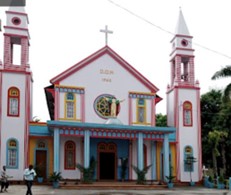 The Mission of Barpeta Road is one of the earliest Catholic establishments in the Assam valley. The region is an ethnic mosaic consisting of the Bodos, the Santals, the Adivasis, the Garos, the Rabhas and others. It is one of the important traditional cultural centres of the Assamese people. The Catholic Mission was officially established at Barpeta Road in 1936. The Mission had its primary aim to boost the evangelization work among the Boros.
Prior to the work of Catholic missionaries among the Boros, the Baptists and the Lutherans had established contacts with them. As early as 1909 the American Baptists and few years later the Lutherans had baptized some Boros in Goalpara area and set up few Christian communities among them. The Salvatorian missionaries who pioneered the Catholic mission work in Assam (1890-1915) made efforts to reach out to the Tea Garden workers of Assam. But it was with the arrival of the Salesians of Don Bosco in Assam in 1922 greater attention was given to evangelization work among the indigenous people. Guwahati was established as the Mission Centre in 1922, which looked after the entire region of present-day State of Assam. The first contact of Catholic missionaries with the Bodos began in 1928. In that year Fr Leo Piasecki baptized a few Bodos in Udalguri area. In 1931, Assam was divided into two Mission districts, namely Guwahati and Dibrugarh. In 1932, Fr Vincent Scuderi, who was in charge of the Mission district of Guwahati, baptized some Boros in Bengtol region. In the years 1933-34, Fr Aloysius Ravalico and Fr Anthony Alessi baptized some in Mongoldoi area. Fr Orestes Marengo, Fr Theodosio Bonomi and Fr Guido Colussi toured several villages of Bodo settlements and baptized number of them.
In 1936, Barpeta was detached from the Mission district of Guwahati. Fr Michael de Valle and Fr Thomas Lopez were given charge of developing the Mission of Barpeta. That was the official beginning of the Catholic Mission of Barpeta. In 1939, Fr Ernest Zanon assumed charge of the Barpeta Mission. Fr Zanon learnt the Bodo language; printed the prayer book and catechism book in the Bodo language. The catechism was prepared by Fr Marengo earlier. For a short period (1946-47), Fr Zanon left Barpeta for Sonada. In 1947, he returned to Barpeta and worked hard for the growth of the Church in the region. Fr Felix Bollini, Fr Leander Aiuso, Fr Patrick Burns and others assisted in the growth of the Barpeta Mission.
In 1953, Fr Remus Morra took over from Fr Zanon as Rector of Barpeta Mission. It was with the arrival of Fr Morra, that the Mission established the well-known dairy farm. The purpose was to serve as a means of support for the boarding and the Mission, as well as to teach people the usefulness of animal husbandry as a means of livelihood. Fr Morra served Barpeta Mission for several decades. He died at Barpeta on 29 April 1985 at the age of 67.
In the course of time, the vastness and the Catholic population of Barpeta Mission got reduced with the creation of several new Parishes. The Parishes born out of the original territory of Barpeta Mission are the following: Bengtol (1966), Doomni (1972), Soraibil (1973), Kumarikatta (1977), Baganpara (1981), Gosaigaon (1984), Barama (1985), Dotma (1986), Bashbari (1989), Bongaigaon Bhowlaguri (1994), Balamguri (1995), Garubhasha (1996), Kokrajhar (1999), Bongaigaon Cathedral Parish (2000), Bijni (2000), Tamulpur (2002), Kwilamwila (2001), North Salmara (2001), Kathalguri (2002), Gauripur (2003), Chapar (2003), Nagrijuli (2004), Barengbari (2005), Magurmari (2005), Kachugaon (2005), Dadgari (2010) and Panbari (2013).
As per the Parish statistics of 2019, there are 31 families in the Parish with a Catholic population of 119 distributed in 6 villages.
Realizing the educational need of the children, Fr Zanon opened St Joseph’s School, Barpeta in 1943. The medium of instruction was Assamese. Later on a Middle English section was started. At present both schools function as High Schools. A new building was constructed to accommodate the students of the English Medium School and it was inaugurated in 2018. The process of affiliating it to CBSE is in progress.
When Fr Kuriala Chittattukalam was the Parish Priest, a Centre was opened in order to train the young girls of the Parish in various trades, which will fetch them employment. Later, this initiative was abandoned. However, in recent years, a Skill Training Centre has been constructed in the campus in order to empower and to provide employment to young people of the region. In 2013, the Province started an Apostolic School to educate and to form the young candidates aspiring to become Salesians. However, this project is being phased off. These days the renovation of the hostel building is in progress.
The Salesian presence at Barpeta, began in 1936, was officially recognized as a canonical community in 1975 under the patronage of St Francis de Sales. Other than the confreres listed above, the following Salesians served the Barpeta Mission in various capacities: Br Isidorus Fioredda, Br Maurice Dhan, Fr Joseph Zubizarreta, Fr Chandy Edamala, Br Tarcisius Kujur, Fr Cornelius Panna, Fr Louis Kerketta, Fr Benedict Kiro, Fr George Kuzhipallil, Fr John Bosco Minj, Fr Joseph Parippil, Fr Kuriala Chittattukalam, Fr John Chellanthara, Fr Thomas Punnolikunnel, Fr Chacko Kuthur Vellattukara, Fr Jose Valiaveetil, Fr Michael Bhengra, Fr Vincent Xalxo, Fr Muct Tirkey, Br Alexius Condpan, Fr Santosh Minj, Fr Barnabas Mardi, Fr Andreas Panna, Fr Nicodim Aind, Br Aloysius Indwar, Fr Marcus Lakra, Fr Justin Narzary and Fr Threnius Sangma, Fr Anugrah Tete and Fr. Victor Tigga
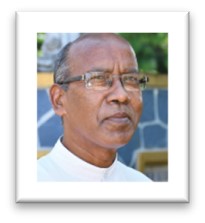
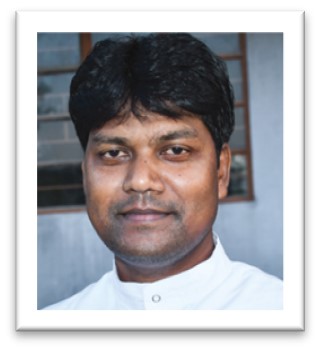
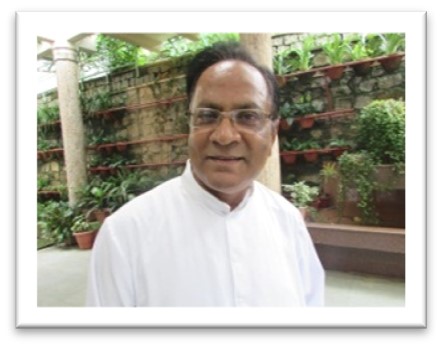
At present the Salesian community of Barpeta consists of Fr. Jonas Toppo (Rector and Parish Priest), Fr Zacharias Minj (Principal, Provincialized School) and Fr George Mudakkampuram (Principal, CBSE School).
The MSMHC group of sisters reached the Mission in 1954. St Mary’s Convent, belonging to them was officially inaugurated on 16 October 1954. The Sisters run two schools for girls, one in Assamese medium and the other in English medium, and a hostel for girls.
Patron: St. Francis de Sales | Bongaigaon Diocese
Activities: Parish, Primary, Middle & High School, Youth Centre, Aspirantate, Vocation Training Centre
Catholic Mission
Barpeta Road – 781 315, Assam
Tel : (03666) 260724 : House | 262274 : School
Email : stjschool@gmail.com
St. Mary’s Convent MSMHC | Tel : (03666) 260812
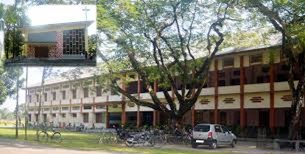 The Parish of Bengtol, dedicated to Bl. Michael Rua, was carved out of the Parish of Barpeta. The new Parish was officially inaugurated on 24 June 1966 with Fr Joseph Zubizarreta as its first Parish Priest. Thanks to the dedicated hard work of the priests, sisters and lay catechists, the Catholic community has grown enormously in the past decades. The Bodos are the majority group; the Adivasis, Santals, Garos, Rabhas and others add to the ethnic mosaic. The Parish of Soraibil in 1973 and the Parish of Dotma in 1986 were carved out of Bengtol Parish.
As early as 1909, the American Baptists and later the Lutherans had made contacts with Boros in Goalpara area and set up several Christian communities among them. The first contact of Catholic missionaries with Boros began in 1928. In that year Fr Leo Piasecki baptized few Boros in Udalguri area. In 1932, Fr Vincent Scuderi baptized a few others in Bengtol region. In the years 1933-34 Fr Aloysius Ravalico and Fr Anthony Alessi baptized some in Mongoldoi area. In 1936, Barpeta was made a Parish and the evangelization work among the Bodos received a boost. In the following years Fr Orestes Marengo, Fr Theodore Bonomi, Fr Michael De Valle, Fr Patrick Burns, Fr Remus Morra and Fr Thomas Lopez, all from Barpeta Mission, worked zealously among the Bodos.
In 1956, Fr Joseph Zubizarreta was sent to Barpeta with the mandate to open a new Parish for the Bodos. Fr Zubizarreta began to stay at Bengtol in a ‘little hut’ from 24 June 1966. That was the official beginning of the Parish of Bengtol. With the arrival of Fr Zubizarreta, the mission work progressed. The Hostel for the boys was built in 1968, and in the same year an Assamese medium school was started. The more spacious new school building was completed in 1970, and in 1978 the English medium school was started. The Parish Church was built and blessed in January 1984. In the same year, a hospital building was completed. For the promotion of the higher education of youth, a college hostel was also constructed in Kokrajhar. It began to function in 1991.
In July 1967, Fr John O’Day was appointed Assistant Priest at Bengtol. The zealous work of missionaries like Fr Mathew Kadavunkal, Fr John Mulumgotra (a diocesan priest), Fr Peter Bianchi, Fr Kulandaisamy (a diocesan priest), Fr Edward D’Souza, Fr Joseph Palamthattel, Fr Chacko Kuthur Vellattukara, Fr Ronald Joseph Venadt, Fr Basil Koikara, Fr James Perunneparampil, Fr Alphonse Malngiang, Fr Jose Thiruthanathy, Fr Sebastian Ishorary, Br Jerome Lyngdoh, Br Benjamin Kujur, Fr Damian Basumatary, Fr John Changsan, Fr Hubert Uttam Molsom, Fr Sylvester Syndrem, Fr Thomas Lakra, Fr Lucas C. Marak, Fr Siby John Vattaparayil, Fr Francis Basumatary, Fr Jimmy T. Sangma, Fr Augustine Edasserithottathil and others, made the Mission progress rapidly.
A number of parishes have been carved out from the original parish of Bengtol. they include Soraibil (1973), Gosaigaon (1984), Dotma (1986), Bashbari (1989), Bongaigaon Bhowlaguri (1994), Balamguri (1995), Garubhasha (1996), Kokrajhar (1999), Bongaigaon Cathedral Parish (2000), Bijni (2000), Kwilamwila (2001), North Salmara (2001), Kathalguri (2002), Gauripur (2003), Chapar (2003), Magurmari (2005), Kachugaon (2005), Dadgari (2010) and Panbari (2013). After all these divisions, the Parish continues to grow in number and in vitality. As per statistics of 2019, there are 52 villages with Catholic communities in Bengtol Parish. The Catholic families count 1542 with 6556 parishioners. The number of vocations to religious life and priesthood from the Parish of Bengtol is a remarkable feat.Don Bosco School, Malivita was established in 2008 January as a sub-centre of the Parish by Fr Thomas Lakra. On 27 April 2014, the Sisters of St Ann, Luzern came to collaborate with the Salesians at Malivita. They look after the school. The Salesian Province of Guwahati built a church at this sub-centre and it was blessed on 6 December 2015. A number of feeder schools at other sub-centres of Balajhar, Gomat, Dunabari, Jamunaguri, Patabari and Ouguri render great service in the education of the children and young people.
In 2013, the renovation works of high school, boy’s hostel and Salesian residence was initiated. In the same year, the high school was upgraded into higher secondary, offering humanities. In 2017, the primary section of the school building was renovated.
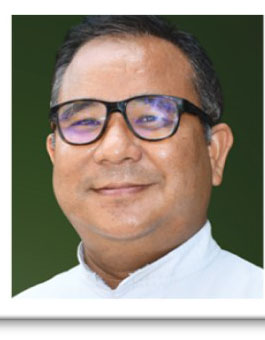
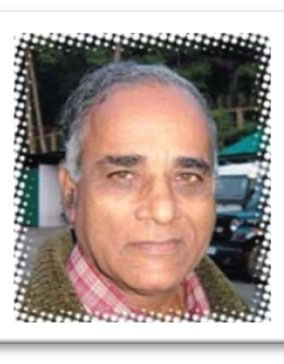
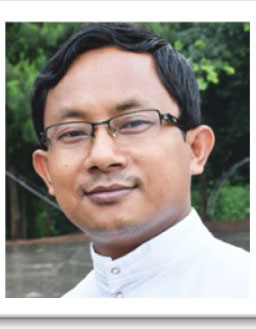
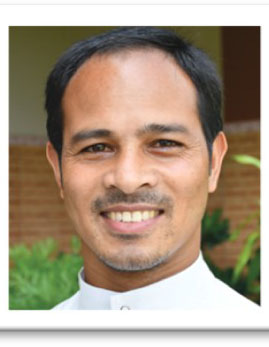
The Salesian community at Bengtol was canonically recognized in 1992. The present community consists of Fr Damian Basumatary (Rector and Parish Priest), Fr Jimmy Sangma (Headmaster) Fr Paul Kuttikadan (Assistant Parish Priest) and Fr. Cornelius Myrthong (Assistant Parish Priest, Vice Principal and Hostel Warden).
The Missionary Sisters of Mary Help of Christians (MSMHC) arrived in the Parish on 4 June 1976. The sisters conducted the English medium school from its starting in 1978 till 1991 when Fr James Perunneparampil was appointed its first Salesian Headmaster. The sisters conduct the boarding for the girls; they serve in the school, manage the dispensary and do evangelization and catechesis work in the villages.
The growth of the Catholic Church in the region owes much to the dedicated hard work of lay catechists, both men and women. The Parish Council and the Lay Associations like the Catholic Youth and Mohila Committee collaborate actively in Church activities.
Patron: Bl. Michael Rua | Bongaigaon Diocese
Activities: Parish, Primary, Middle & High School, Hostel
Catholic Church
Bengtol – 783 394
Chirang, BTAD, Assam
Tel : (03661) 264729
The Parish of Doomni, carved out of the territory of Barpeta Road Parish, came into existence in 1972. The Salesian presence at Doomni is attached to the canonical community of Barpeta Road. The Catholic community in Doomni had its origin dating back to 1926. When the Brooke Bond Company established the Tea Estate in Doomni in the year 1926, they brought big groups of Adivasi workers from Chottanagpur and Orissa. There were several Catholics and other Christian groups among them. The Catholic missionaries began to establish contacts with them. With the creation of Catholic Mission at Barpeta Road in 1936, priests from there began regular visits to the villages of Doomni area. Fr Attilio Colussi, Fr Michael De Valle, Fr Ernest Zanon, Fr Theodore Bonomi, Fr Orestes Marengo were some of the early missionaries from Barpeta, who used to visit Doomni.
Fr Remus Morra, who became the Parish Priest of Barpeta in 1953, visited often the villages of Doomni. He constructed village chapels at Dangrigaon, Karamtoli, Bongaon, Tiklibhanga and the Church at Baganpara. Baganpara became a Parish in 1981. In 1971, Fr Morra built the residence of the priests at Doomni. Fr Chandy Edamala was the first resident priest at Doomni from the year 1971. In 1972, the Parish of Doomni, dedicated to Sacred Heart of Jesus, was officially inaugurated. Fr John Vaikath joined Fr Chandy and he worked hard to redeem the mortgaged land of several people in the area.
In 1973, the Parish school was started in the Assamese medium. The Parish Church was built and blessed on 23 February 1978. The new hostel building for boys was completed in 1986. The school progressed to High School and was converted to English medium in 1997. In the same year the feeder schools were started at Bongaon and Madhupur. Don Bosco Youth Centre, restarted officially on 3 March 1996, under the leadership of Fr John Bosco Minj, render many services to the young people of the Parish.
The Missionary Sisters of Mary Help of Christians (MSMHC) reached the Parish on 10 June 1984. Initially the sisters stayed in the old village chapel of Karamtoli village. It was in 1987 the sisters shifted to the newly constructed St Mary’s Convent at Doomni. On 7 November 1988, the completed convent building was blessed by Bishop Robert Kerketta. The Sisters serve in the school, run the hostel for girls, do medical care and engage in evangelization and catechesis in the villages. They assist in the well-running of the Parish.
As per the Parish statistics of 2019, the Catholic population is 12,000 spread in 27 villages, mainly in the Tea Gardens. The total number of Catholic families in the Parish is 1700. The majority ethnic group is the Adivasis and a small number of Bodos. The lay associations like the Catholic Youth and Mahila Sangh are active in the Parish.
Apart from the pioneers of the Mission mentioned above, the following confreres have worked in the Parish: Fr Elias Kerketta, Fr Joseph Vadakkeparambil, Fr Philip Barjo, Fr Cornelius Panna, Fr Joseph Puthenpurackal, Fr Matthew Parackatte, Fr Jose Thiruthanathy, Fr Benedict Kiro, Fr Sebastian Ayilakunnel (diocesan priest), Fr Thomas Pullopillil (now Bishop of Bongaigaon), Fr Xavier Basumatary (Diocesan), Fr Ethelbert Minj, Fr Raphael Cherukareth, Fr Leo Tirkey, Fr Joachim Kandulna, Fr Sebastian Ishorary, Fr Sebastian Edathumparampil, Fr Peter Pazhayamkottil, Fr Thomas Punnolikunnel, Fr Francis Basumatary, Fr Aloysius Hembrom, Fr Xavier Tete, Fr Kuriala Chittattukalam, Fr Louis Arimboor and Fr Charles Deepen Lakra, Fr Ethelbert Minj, Fr Naresh Jojowar and Fr Benjamin Daimari.
At present, the community consists of Fr. Bhaskar Raj Chinthamalla (Parish Priest), Fr. Thomas John Koitharaputhenpura (Assistant Parish Priest), Fr Robert Basumatary (Principal) and Fr Kalaparthy Prasad (Asst. PP).
Patron: Sacred Heart | Bongaigaon Diocese
Activities: Parish , Primary, Middle & High School, Hostel
Catholic Church
Doomni – 781 373
Nalbari Dt. Assam
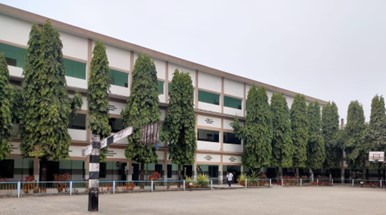 The Parish of Dotma, dedicated to St Francis Xavier, was bifurcated from the Parish of Bengtol and was officially inaugurated on 1 January 1986. Fr Edward D’Souza was appointed as its first Parish Priest. It belonged to the diocese of Tezpur in the beginning; but in 1992 when the diocese of Guwahati was formed, Dotma became part of the new diocese. Later when the diocese of Bongaigaon was established on 10 May 2000, it was incorporated into it. The Salesian presence at Dotma became a canonically approved Salesian community in 2006. The major ethnic group of the Parish is the Bodo community. There are also groups of Santals, Adibasis, Garos and Rabhas, forming the Parish community.
The history of the Parish of Dotma has immediate links with that of Bengtol Parish. With the creation of Bengtol Parish in 1966, the evangelization work among the Bodos attained greater momentum. Fr Joseph Zubizaretta, the pioneer and first Parish Priest of Bengtol, worked zealously for the evangelization and overall development of the Bodo community. The Assistant priests who worked at Bengtol Parish, like Fr John O’Day, Fr Mathew Kadavunkal, Fr John Mulumgotra (diocesan priest), Fr Peter Bianchi, Fr Kulandaisamy (diocesan priest) and others visited the villages of Dotma area, baptized many and formed Catholic communities.
On 1 August 1974, Fr Edward D’Souza from the Salesian Province of Bombay reached Bengtol as a volunteer to work in the Province of Guwahati. He began to take keen interest in the missionary work especially in the villages of Dotma. The beginnings were difficult. The Mission had to face stiff opposition from some of the local people, spearheaded by the Boro Sahitya Sabha. However, the evangelization work as well as the educational services bore fruit; the number of Catholics increased, more and more new Catholic communities were set up.
As per the Parish statistics of 2019, there are 4923 Catholics in 49 villages. The High School at Dotma, the proceeding school at Ramfalbil and number of village schools serve the educational needs of the area.
The hostels for boys and girls at the Parish make it possible for a big number of children to attend the Parish High School. The growth of the Parish owes much to the hard work of the confreres who have worked in the Parish like Br Raphael Kerketta, Fr Pascal Dung Dung, Fr Thomas Lakra, Fr Francis Basumatary, Fr Bhaskar Raj Chinthamalla, Fr Peter Pazhayamkottil, Br Martin Basumatary, Fr Quirinus Syiemlieh, Br Sunil Prakash Kerketta, Fr Benjamin Daimari, Fr Edward D’Souza, Fr Abraham Kanattu, Fr Hubert Uttam Molsom, Fr Sanjay Aind, Fr Punit Lakra, Fr Ajay Xaxa, Fr Jose Thiruthanathy, Br Nirmal Ekka, Fr Anugrah Tete, Fr Francis Cheeramben, Fr Augustine Edasseritthottathil and Fr Lukose Cheruvalel.
When Guwahati Province was bifurcated, the need was felt to open a pre-novitiate for Guwahati Province as the existing pre-novitiate was in the territory of the new Province. Hence, it was decided to start the pre-novitiate at Dotma. The new pre-novitiate was opened on 13 July 2012 when Rev. Fr Thomas Vattathara, the then provincial solemnly blessed it. The existing hostel of the boys was modified to house the pre-novices. Fr Abraham Kanattu, who was the Rector of Dotma became the Rector of the pre-novitiate while Fr Sanjay was appointed the Director of the Pre-novices and Fr Ajay Xaxa, the Assistant Director. From June 2016, Fr Jose Thiruthanathy became Rector, Fr Lukose Cheruvalel was appointed the Director and Fr Anugraha Tete, the Assistant Director. Fr Francis Cheeramben also worked in the pre-novitiate for some years. From 2018, Br Firstjoy Felix became the Dean and Administrator of the Pre-novitiate. In July 2019, Fr Thomas Lakra was appointed the Rector.
The Daughters of Mary Help of Christians (FMA) arrived at Dotma on 24 August 1991. They collaborate in the pastoral ministry of the Parish, serve in the school, conduct the hostel for girls, visit families, do evangelization and catechesis in the villages, and render medical care. They run a Grihini School.The Parish Council, the Youth Groups and the Mahila Samiti (Women’s Association) collaborate actively in the life of the Parish.
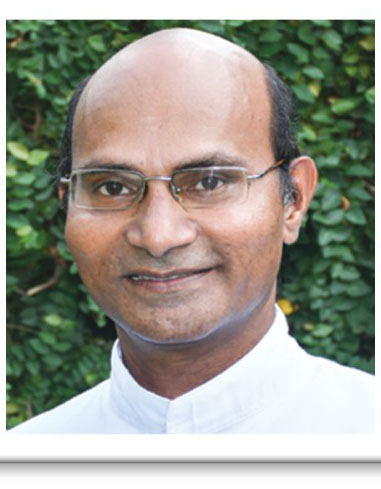
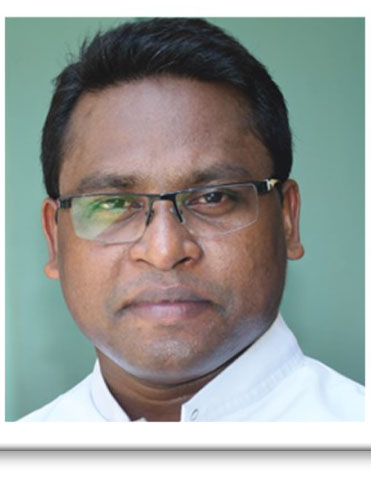
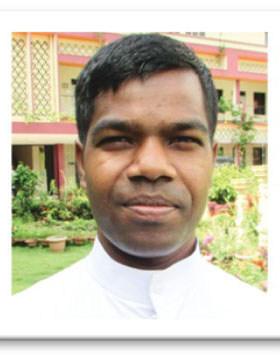
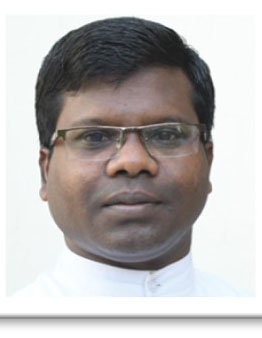
At present Fr Sebastian Edathumparambil is the Rector and Parish Priest, Fr Naresj Jojowar is the Principal and Assistant Parish Priest. Fr Somesh Tudu is the Asst. PP and YS. At the Pre-novitiate, the Salesians consists of Fr Joseph Almeida (Director), Fr Ajay Xaxa (Administrator) and Cl.Alex Champramary (Practical Trainee).
Patron: St. Francis Xavier | Bongaigaon Diocese
Activities: Parish, Pre-Novitiate, Primary, Middle, & High School, Hostel
Catholic Church
Borshijhora, Dotma – 783 347
Kokrajhar, Assam
Tel: (03661) 284148
Auxilium Convent FMA | Tel: (03661) 284226
Don Bosco School
Ramfalbil, Serfanguri P.O.
Kokrajhar Dist., Assam – 783 346
Tel: (03661) 291877
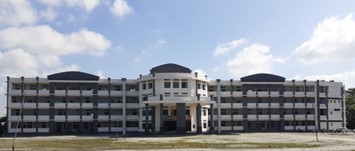 It was in 2015 that Don Bosco Centre, Bongaigaon was established for the purpose of training young people, from disadvantaged sections of society with skills for livelihood. The Centre was built through the kind assistance of Bosco Reach Out (BRO), social service wing of the province of Guwahati. Shri Kampa Borgoyary, the then Deputy Chief of Bodoland Territorial Council laid the foundation stone. Shri Manish Thakur IAS, Commissioner and Secretary, Higher Education, Government of Assam inaugurated the building while Most Rev. Thomas Pulloppillil, Bishop of Bongaigaon, blessed it on 1 August 2015. The institution was a tribute to St John Bosco on the occasion of the bi-centenary of his birth. It was dedicated to the youth of the region by Rev. Fr Thomas Vattathara, the then Salesian Provincial in the presence of Rev. Fr Thomas Kunnappillil, the then Director of BRO. The first Salesians appointed to the Centre were Fr Joseph Thelekkatt and Cl. Edward Kujur. Fr Joseph was the Director while Cl. Edward was the Programme Co-ordinator.
The Centre ran skills development like short-term computer courses, spoken English courses and hospitality courses in collaboration with Bosco Reach Out and Deen Dayal Upadhyaya Grameen Kaushalya Yojana (DDUGKY), an initiative of the Government of India for skills development.
In the year 2016 the skills development courses gave way to a Junior College named Don Bosco Junior College, Bongaigaon. Fr Alex Kattakayam was appointed the first Principal and Fr Justin Narzary was appointed the Vice Principal of the Junior College. The College was affiliated to Assam Higher Secondary Education Council and offered Arts, Science and Commerce streams. When Fr Joseph Thelekkatt was transferred in March 2017, Fr Alex was appointed In-charge of the Centre.
In 2019, the province of Guwahati forayed into higher education with a Don Bosco degree college at Bongaigaon beginning with the arts stream for under graduation. Fr Alex Kattakayam was appointed the Principal and Fr Paul Rabha the Vice Principal. The college is run in collaboration with the Salesian Sisters and Rev. Sr Grace Pemila was also appointed the Vice Principal of the college. Shri Sarbananda Sonowal, Chief Minister, Assam, formally inaugurated, Most Rev. Thomas Pulloppillil, Bishop of Bongaigaon, blessed and Rev. Fr Januarius S Sangma, Salesian Provincial, dedicated it to the youth of the region on 4 November 2019 in the presence of a galaxy of luminaries from various walks of life.
The vision of the College is “the glory of God is human fully alive.” the College offers quality education to each student with a free, cheerful and friendly learning environment to acquire knowledge, expertise, values and interpersonal skills to face the challenges of life. To achieve this mission, the college aims at an integral and holistic approach for the all-round development of the human person by inculcating in the students the virtues of piety, integrity, freedom, accountability, self-reliance, discipline and altruism. The motto of the college, namely, “Inform, Inspire, Involve and Innovate” puts succinctly the distinctive educational philosophy and processes envisaged in grooming the students into confident, competent and compassionate human beings capable of making their own innovative contributions to human progress and societal well-being.
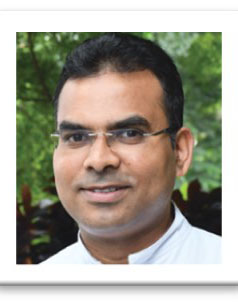
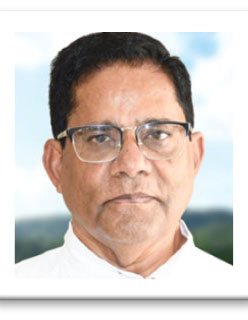
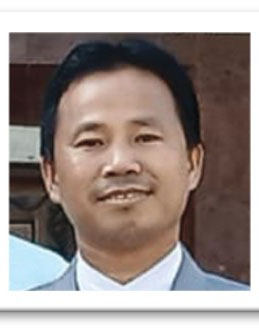
Today the Centre consists of a Junior college, a degree college, a hostel for boys and a hostel for girls. The Daughters of Mary Help of Christians (FMA) run the hostel for girls. The college will open other streams and add-on courses in the course of the coming years. In December 2019, Fr Damian Basumatary joined the Centre as its Director. Today (December 2019) the Salesian community consists of Fr Abhilash Vedakkekara (Principal), Fr Cyriac Vettickathadam (Campus Minister) and Fr Islary Sebirence (Vice-Principal) and two student brothers.
Patron: Don Bosco | Bongaigaon Diocese
Activities: Hostel, Vocational & Skill Training Centre
Don Bosco Training Centre
Chappaguri – 783 380
Bongaigaon, Assam
Patron: Don Bosco | Bongaigaon Diocese
Activities: Hostel, Vocational & Skill Training Centre
Don Bosco Training Centre
Chappaguri – 783 380
Bongaigaon, Assam
Don Bosco, Kokrajhar had its beginnings as a hostel for Catholic college students of the area. The hostel was officially opened on 14 September 1991 in commemoration of the 150 anniversary of Don Bosco’s first meeting with Bartholomeo Garelli on 8 December 1841. The hostel was appropriate since there were number of educational institutions in the town like Science College, B.Ed. College, Law College, Commerce College, etc. Fr Joseph Zubizarreta, who was Parish Priest at Bengtol, had bought the land for the hostel in 1982. Fr George Karipaparampil, who was given charge of the new centre at Kokrajhar saw to the construction of the hostel building amidst much difficulty due to the prolonged Boroland agitation. Soon after the inauguration of the hostel in 1991, a group of college-going boys numbering 17 were admitted. There was no confrere in residence at the beginning. In 1992, Fr George Karipaparampil began to reside at the hostel as Warden. Realizing the great educational need of the youth in the area and the possibility of evangelization and at the insistence of Fr George, the Salesian Province of Guwahati decided to start Don Bosco School in the hostel premises. The School was formally opened on 24 May 1993. In 1995, Fr Joseph Palamthattel (Sunny) joined the Centre. In the same year, another 15 bighas of land was bought and the campus got enlarged. In the following years, further infrastructure for the school and hostel was added.
Initially, the Centre was under the Parish of Dotma. In 1995, the Parish of Kokrajhar was bifurcated from Dotma. The Parish is named after St Peter the Apostle. However, in 2012, the name of the Parish was changed to St John Bosco Parish. Fr Joseph Palamthattel (Sunny) was appointed its first Parish Priest. As per statistics of 2019, the Parish has a Catholic population of 4936 and 704 families in 45 villages. The ethnic mosaic of the Parish consists of Bodos, Santals, Garos and Adivasis.
The past few years have witnessed an appreciable growth of the School and the Parish. At present, the School is a full-fledged co-ed, CBSE Higher Secondary. The Science stream of Higher Secondary was begun in 2005 and the Arts stream in 2008. A number of young people benefit also from the National Institute of Open Schooling (NIOS) facilitated by the Salesian community at Kokrajhar. The Centre is engaged in various educational and social services in collaboration with Don Bosco Institute (DBI) and Bosco Reach Out (BRO). In 2002, the Salesian presence at Kokrajhar was established as a canonical community under the patronage of St John Bosco. At present (December 2024), the Salesian community consists of Fr Francis Basumatary (Rector and Parish Priest), Fr Emmanuel Marngar (Principal) and Bro Paul Makri (Vice Principal).
In the past years, Fr Januarius S Sangma, Br Albert Longley, Fr Sebastian Palatty, Fr Barnabas Mardi, Fr Joseph Puthenpurakal, Fr Pius Tharakunel, Fr Sebastian Edathumparapil, Br Benedict Sangma, Fr Francis Basumatary, Fr Raphael Cherukareth, Fr John Vaikath, Br Paul Makri, Fr Damian Basumatary and Br Rosant Benjamin Indwar had served at the Centre in various responsibilities.
In recent years, an extension of the School was built behind the existing school building in order to accommodate the students of the junior school. A magnificent Church was constructed on the campus, which now serves as the Parish Church. Most Rev. Thomas Pulloppillil, Bishop of Bongaigaon, consecrated the Church on 25 October 2018. The Salesian residence was also renovated.
The Daughters of Mary Help of Christians (FMA) arrived in Kokrajhar in 1994. The Auxilium Convent was blessed and inaugurated on 3 December 1995 by Archbishop Thomas Menamparampil of Guwahati. The Sisters of St Ann began their Convent at Balagaon in 2000 and they run a College on their campus. The Sisters of Notre Dame have also set up a Convent at Salakatti.
Fr Francis Basumatary Fr Emmanuel Marngar Bro Paul Makri
(Rt. PP) (VR&Principal) (VP)
Patron: Don Bosco | Bongaigaon Diocese
Activities: Hostel, Vocational & Skill Training Centre
Don Bosco Training Centre
Chappaguri – 783 380
Bongaigaon, Assam
Don Bosco School, Amgjuri, was established in the year 2000, at west Dobragaon, with the collaboration of the then Parish Priest Fr. Sunny Joseph Palamthattel and some of the local Church leaders, like, Lt. Samuel Murmu, Rafael Hembrom, Manuel Soren and Sukla Hasda, under the parish of Kokrajhar.
The school started in the month of February with 36 students under the care of Miss Anna Baskey in a simple shed type of house. After two and a half years in the storm the school was destroyed. Hence, the school remained closed for nearly five months.
Seeing the situation of the school and the children, the Parish Priest and the local leaders decided to shift the school from Dobragaon to Amguri. For this purpose a piece of land was bought (where the present Don Bosco School is located) and the faithful of the place built a temporary shed for the hostel as well as the school. After this the classes continued. Every year classes were upgraded reaching upto class IV. After completion of class IV the students moved to different schools for their further studies.
Rev. Fr. V.M. Thomas SDB the Director of DBYES, Guwahati, seeing the condition of the Santhal children in the relief camps, due to the ethnic clashes of 1996, deprived of their education and living in unhygienic conditions, decided to bring upliftment to the community. He in collaboration with the German Doctors (project sponsors) funded the school building and provided the basic requirements for the school and the hostels. In the year 2009 the Handmaid Sisters of Mary arrived and rendered their services for the running of the school and the hostels. Many students have passed out from this school and are persuing their higher studies.
This year (2023) the 6th batch of 47 matric students are appearing for the HSLC examinations. At present there are 884 students, 32 teaching staff and 4 non-teaching staff in the school. The main activity of the community is education and to look after the hostel boys and girls. Sometimes the Fathers and Sisters go to the neighboring houses and villages for pastoral activities.
Patron: Don Bosco | Bongaigaon Diocese
Activities: Hostel, Vocational & Skill Training Centre
Don Bosco Training Centre
Chappaguri – 783 380
Bongaigaon, Assam
Don Bosco Centre, Ramfalbil was a venture started as a sub-centre of the Parish of Dotma, Assam. Rev. Fr Edward D’Souza purchased the land for the Centre in 2000, just before he left Dotma after nearly 15 years of pastoral ministry in the parish. The land at Ramfalbil laid vacant for a while and it was only in 2003 that with the help of the local people of the area the idea of a School was taken up. Cl. Manoj Churuliyil was the first Salesian to take charge of the school which was run in the village chapel. After Cl. Manoj Churuliyil, Rev. Fr Francis Basumatary and Br Martin Basumatary looked after the school. Later Br Peter Jamatia came in to take charge of the school. Then came Fr Quirinus Syiemlieh and he was followed by Fr Edward D’Souza, who became the Headmaster of the School.
On 26 February 2004, Rev. Fr Anthonio Domenech, the then General Councillor for Youth Ministry, officially inaugurated the School. He was quick to grasp the vision for a sound education envisaged for the youth of the area. He encouraged the Salesians to make the school a leading institution to serve the poor and needy of the region, especially the youth. On 13 October 2004, Rev. Fr Joaquim D’Souza, the then regional of South East Asia also visited the school. He expressed great satisfaction at the timely service that the Salesians were offering to the people with just the minimum facilities and infrastructure. He hoped that better facilities would soon be available. The people at Ramfalbil on their part placed great hopes in the Salesians of Don Bosco for the development and progress of the locality. There are a number of ethnic communities like the Bodo, the Santal, the Adivasi, the Rabha, the Rajbongshi, the Bengali, the Assamese and the Bihari who live in the area.
The school is less than half an hour drive from the parish of Dotma. As the number of students grew in the school, it was decided to construct a concrete structure. Mr Hagrama Mahilary, Chief of Bodoland Territorial Council, laid the foundation stone for the new School building on 22 November 2008. At the moment the school has approximately 742 students from Kindergarten up to class X. It is affiliated to the Central Board of Secondary Education (CBSE), New Delhi. The school has become one of the leading schools in the area because of the all- round formation – moral, spiritual, intellectual, physical, social and cultural – it gives to the students. Up to 2013, the Salesians looked after the School while residing at Dotma.
Due to intermittent violence, strikes and political disturbances in the area, it was felt that the Salesians need to reside at Ramfalbil in order to better supervise the school. Hence, Fr Edward D’Souza along with Fr Pascal Dungdung and Br Nirmal Ekka moved to the new Centre in August 2013 and they were entrusted with the possibility of development of the area. In 2016, the Salesian community at Ramfalbil was constituted as an independent entity. About 20 villages in and around Ramfalbil came under their care and their responsibility. The Salesians also attend to the spiritual needs of the Catholics around, administering the various sacraments regularly to the faithful and serving them in whatever way possible. On 9 June 2018 Fr Zacharias Minj was appointed the headmaster of the CBSE High School at Ramfalbil while Br Nirmal Ekka was transferred to the Garo Hills.
To accommodate the students who come from far away villages, a boarding house was built in 2017 for boys where about 34 young boys stay at present. In the meanwhile, as parents and guardians were interested in having a hostel for girls, the old school building was used for this purpose and it houses 21 girls. Opportunities have been given especially to the needy Catholic students to stay in the hostel though others have not been denied a place too.
A multipurpose hall was constructed and Mrs Pramila Rani Brahma, Minister of Social Welfare, Government of Assam, inaugurated it on 13 October 2019. Rev. Fr Januarius S Sangma, Provincial of the Guwahati Province, blessed it. The hall is a fitting gift to the students of the school and to the parishioners on the occasion of the Golden Jubilee of the Priestly Ordination of Fr Edward D’Souza, which was solemnly celebrated on that day.
At present, Fr Edward D’Souza is the in-charge and administrator, Fr Joseph Mung is the Principal of the school and Fr Justin Narzary is the Vice Principal and hostel warden. Of the three Salesians, two of them stay in the boarding house while the third stays in the school building. The Centre gradually hopes to have a permanent place for the Salesians to reside and also to develop its infrastructure.
In recent times, three nuns belonging to the Order of Our Lady of Dolours have come to Ramfalbil to assist the missionary work of this area. This was possible with the understanding of the local Bishop and an agreement with the Salesian Provincial.

Donec odit magni, nesciunt pariatur! Nec, purus voluptate ridiculus odit nobis euismod, ac laudantium facere perferendis!
Donec odit magni, nesciunt pariatur! Nec, purus voluptate ridiculus odit nobis euismod, ac laudantium facere perferendis!
Fr Joseph Mung Fr Justin Narzary
(Principal & APP) (VP & Hostel Warden)